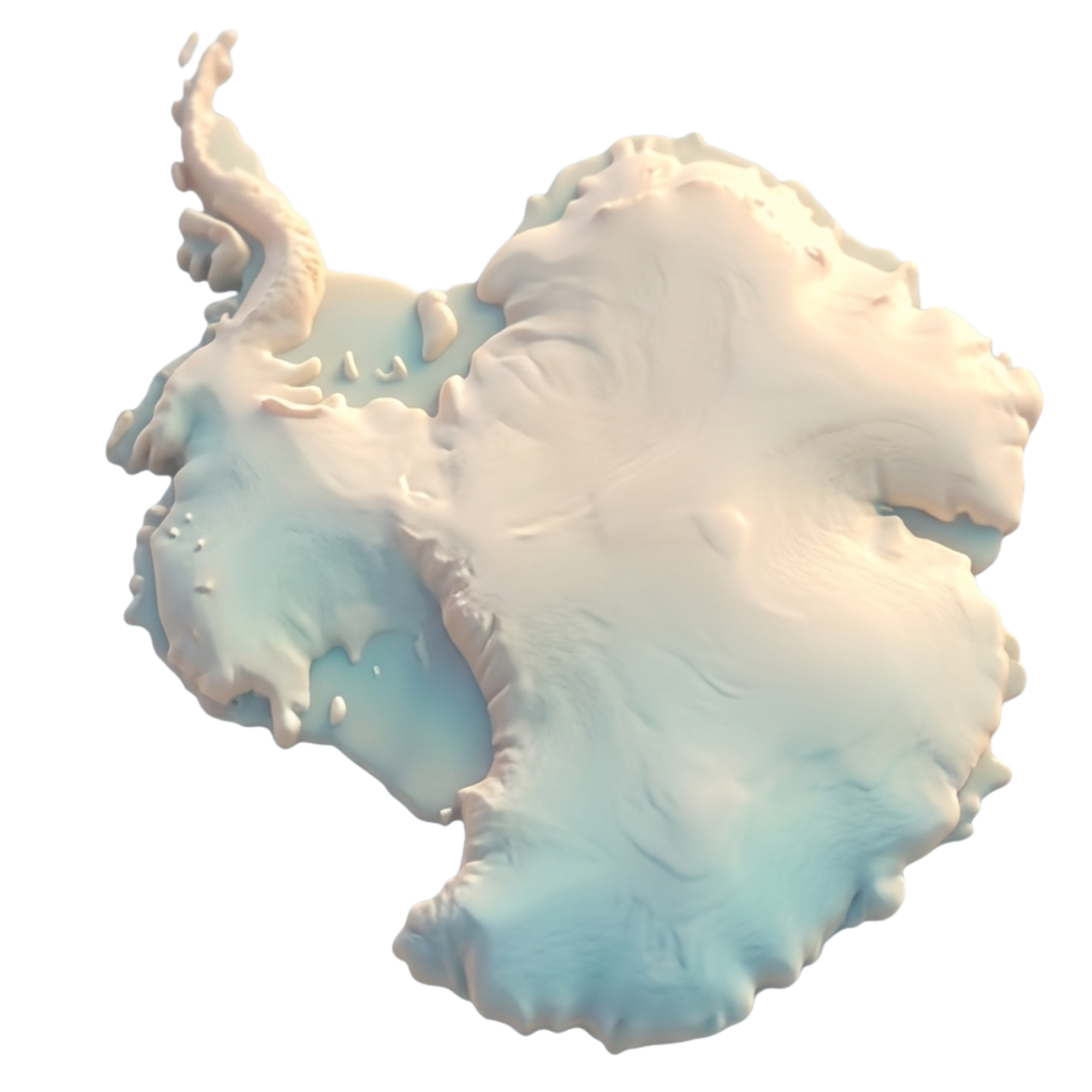
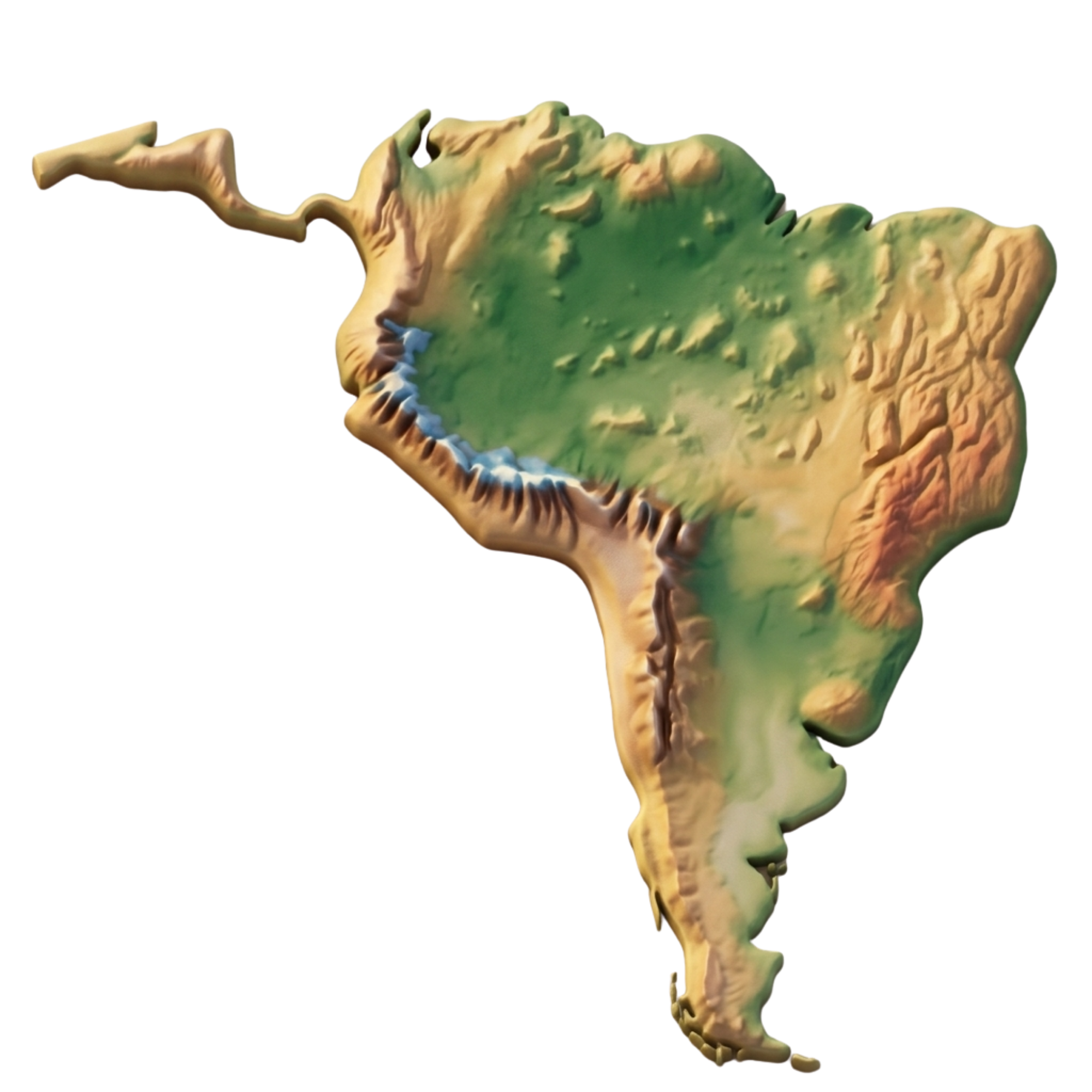
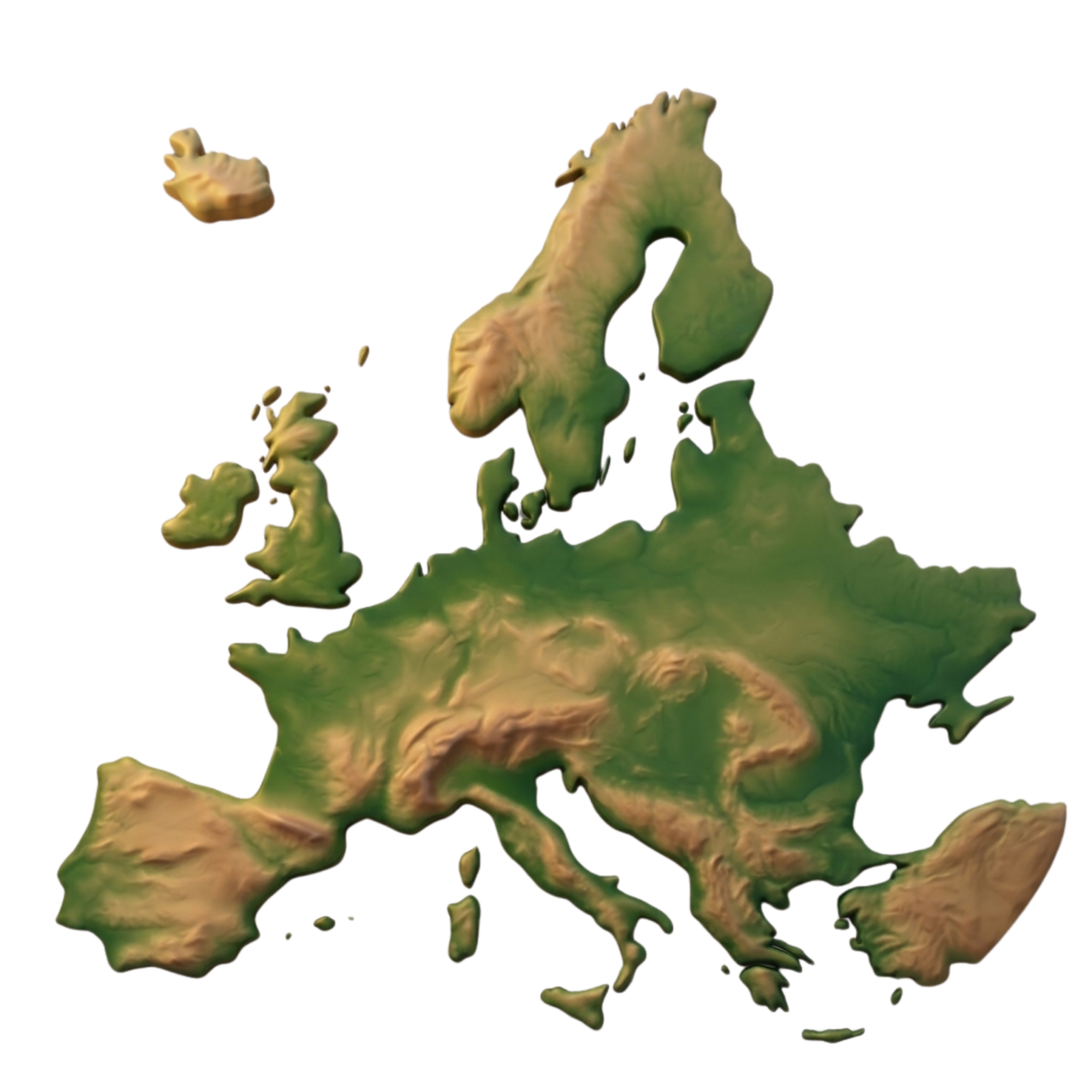
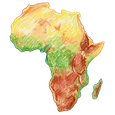
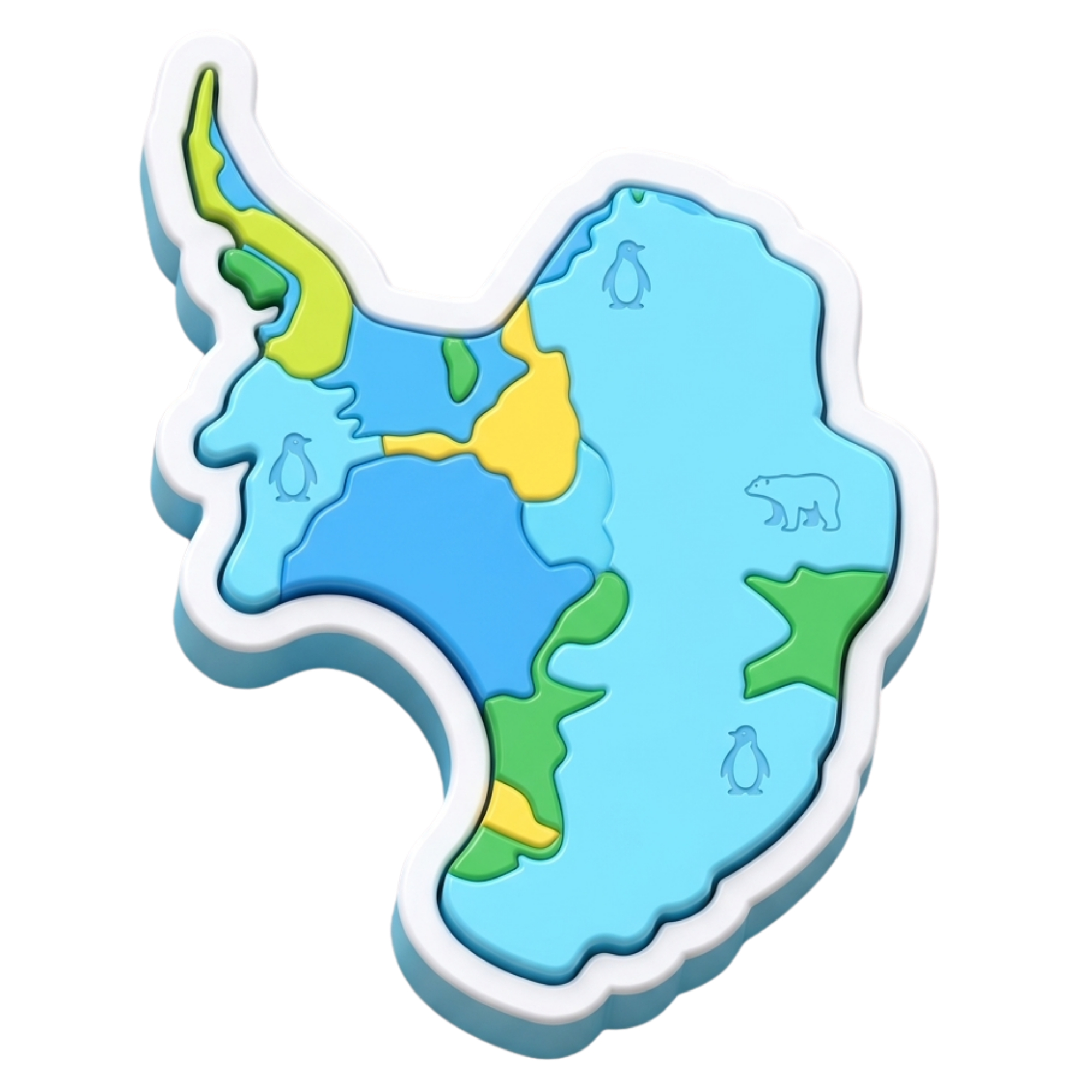
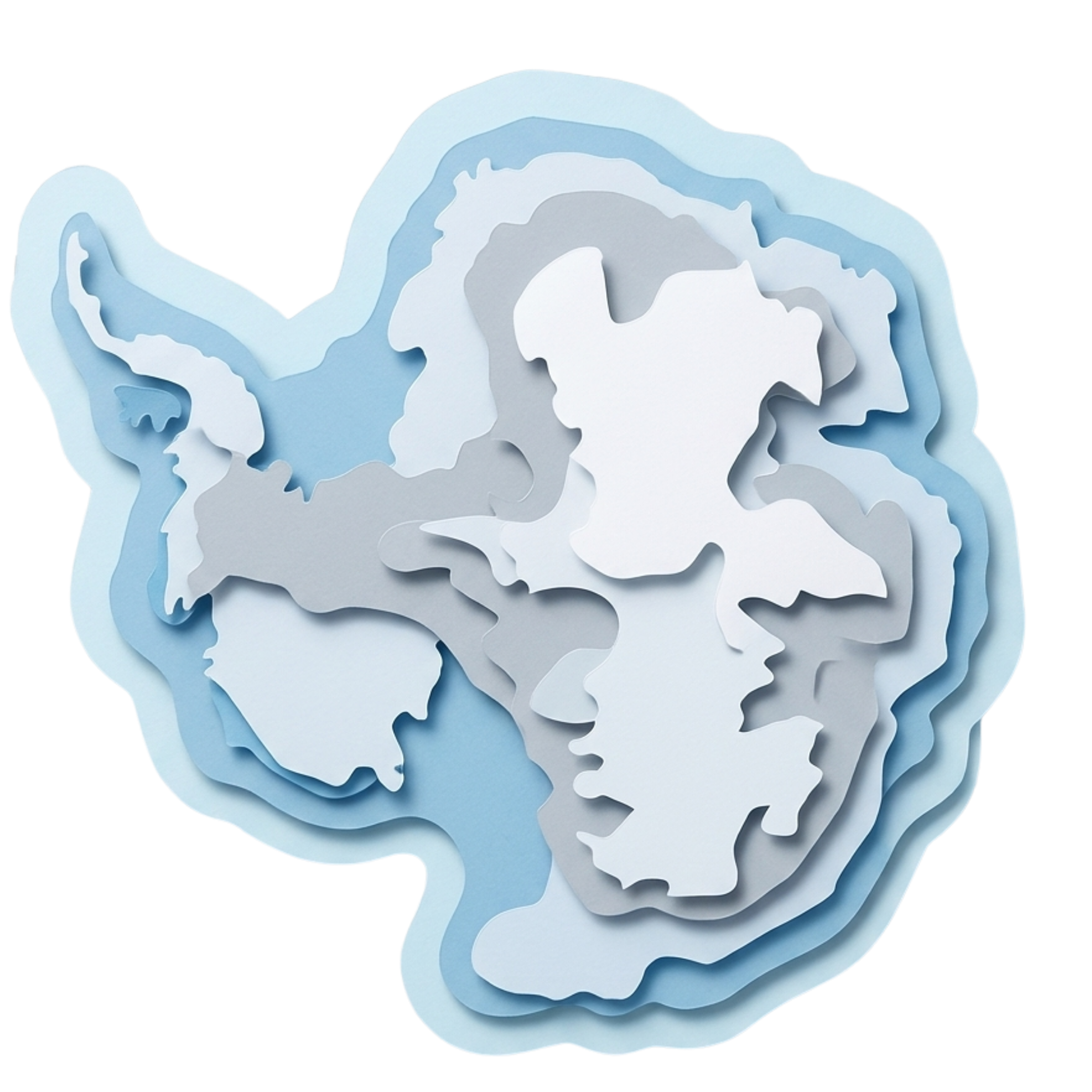
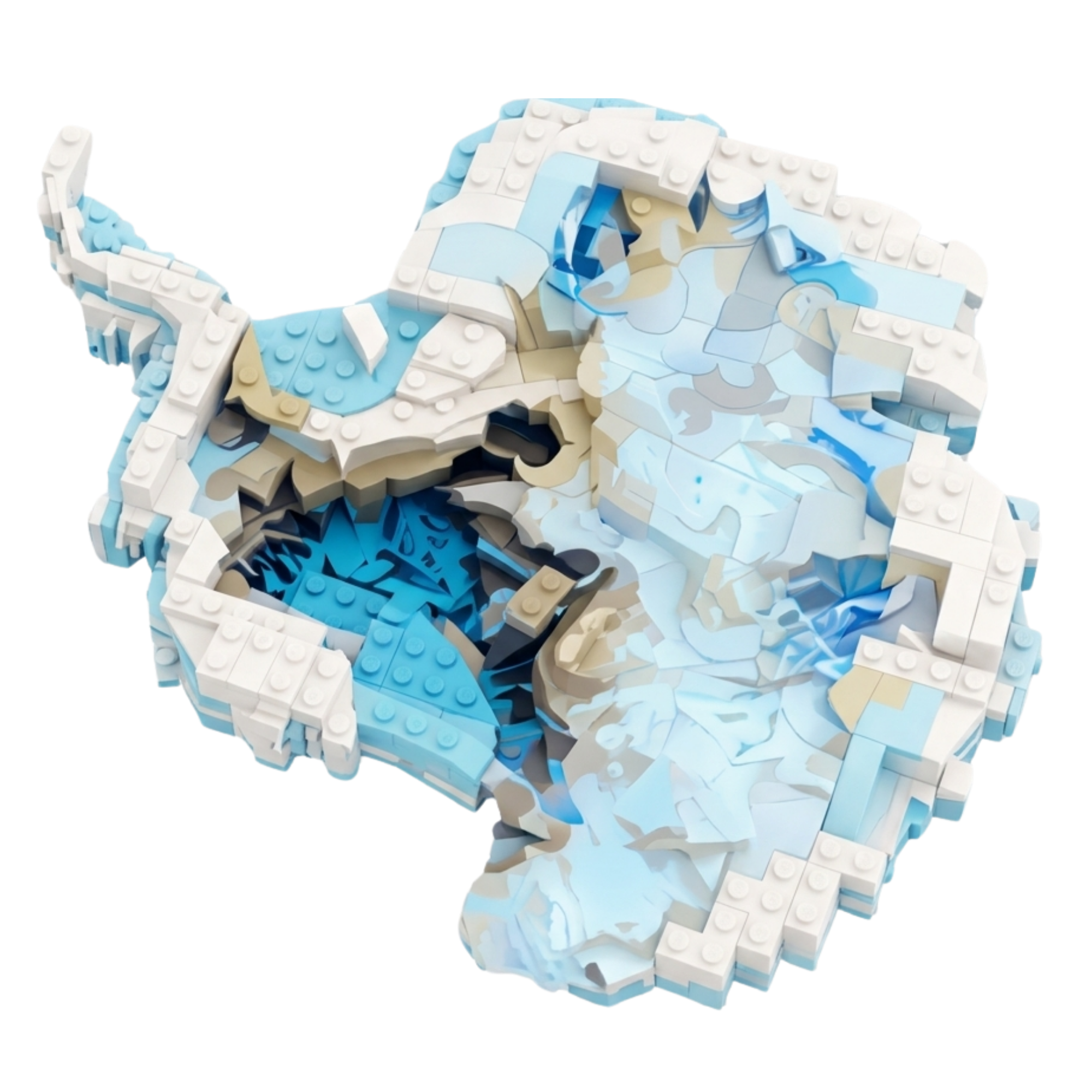
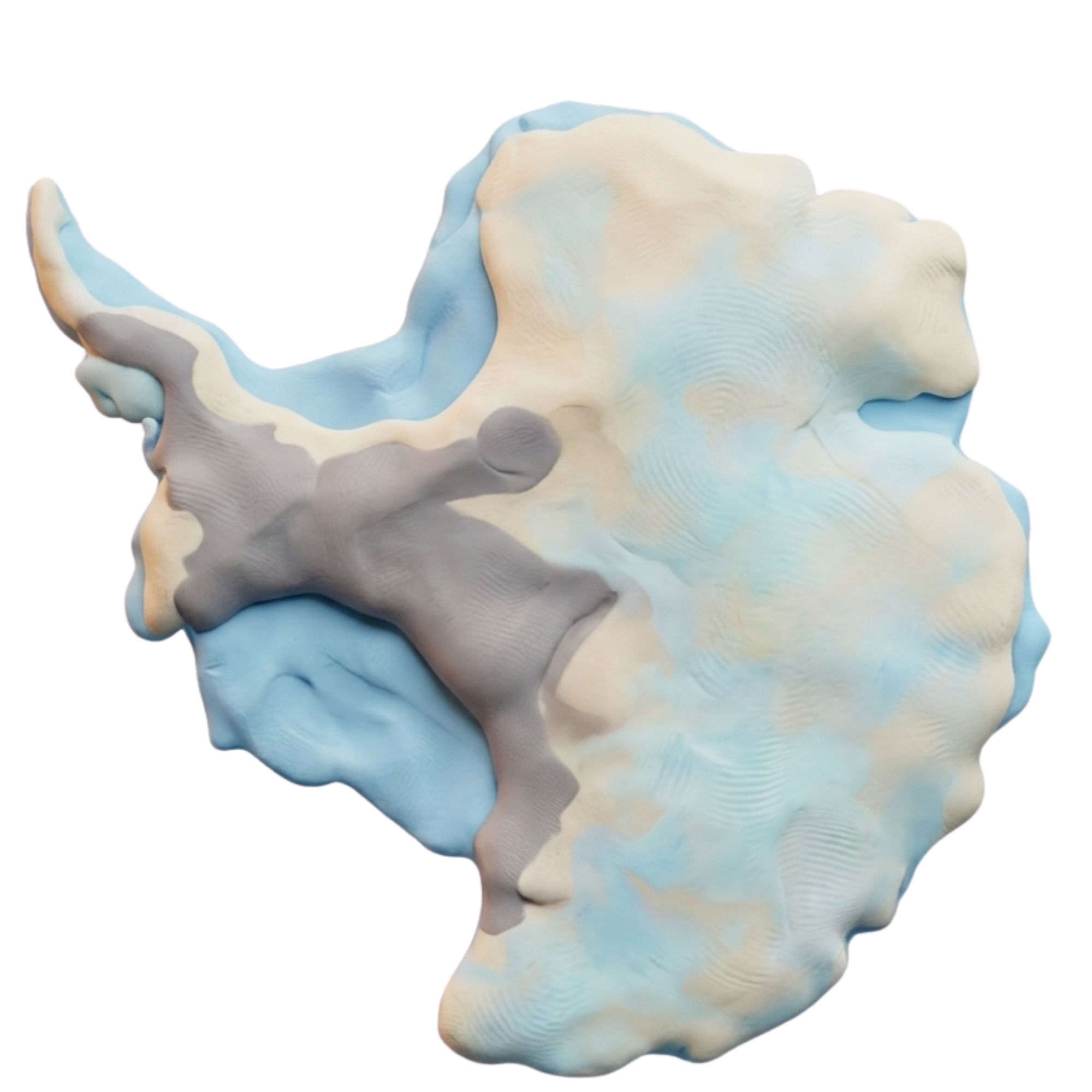
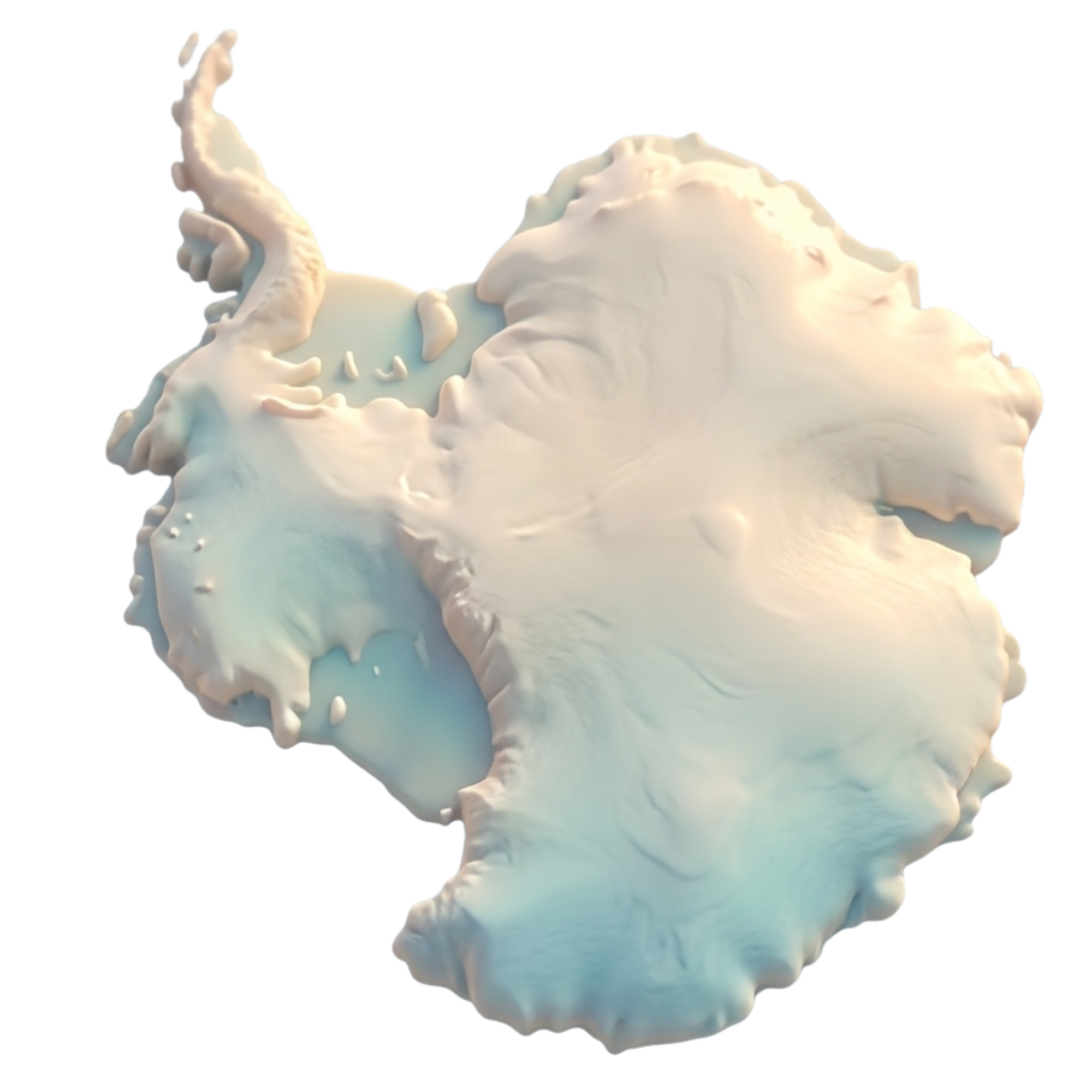
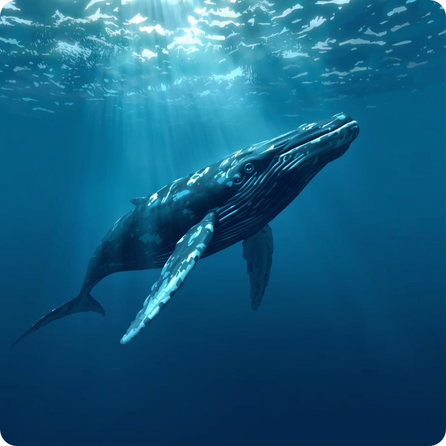
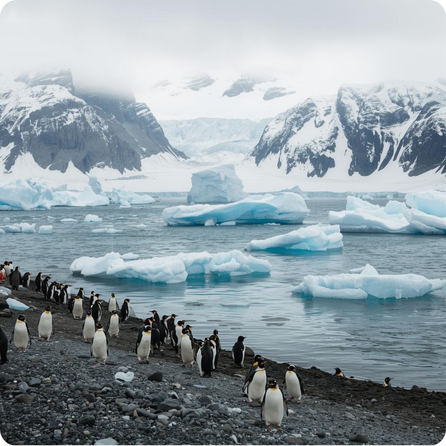
Antarctica is a frozen continent of glaciers, ice shelves, deep ocean ecosystems, and cold‑adapted wildlife including penguins, seals, and whales.














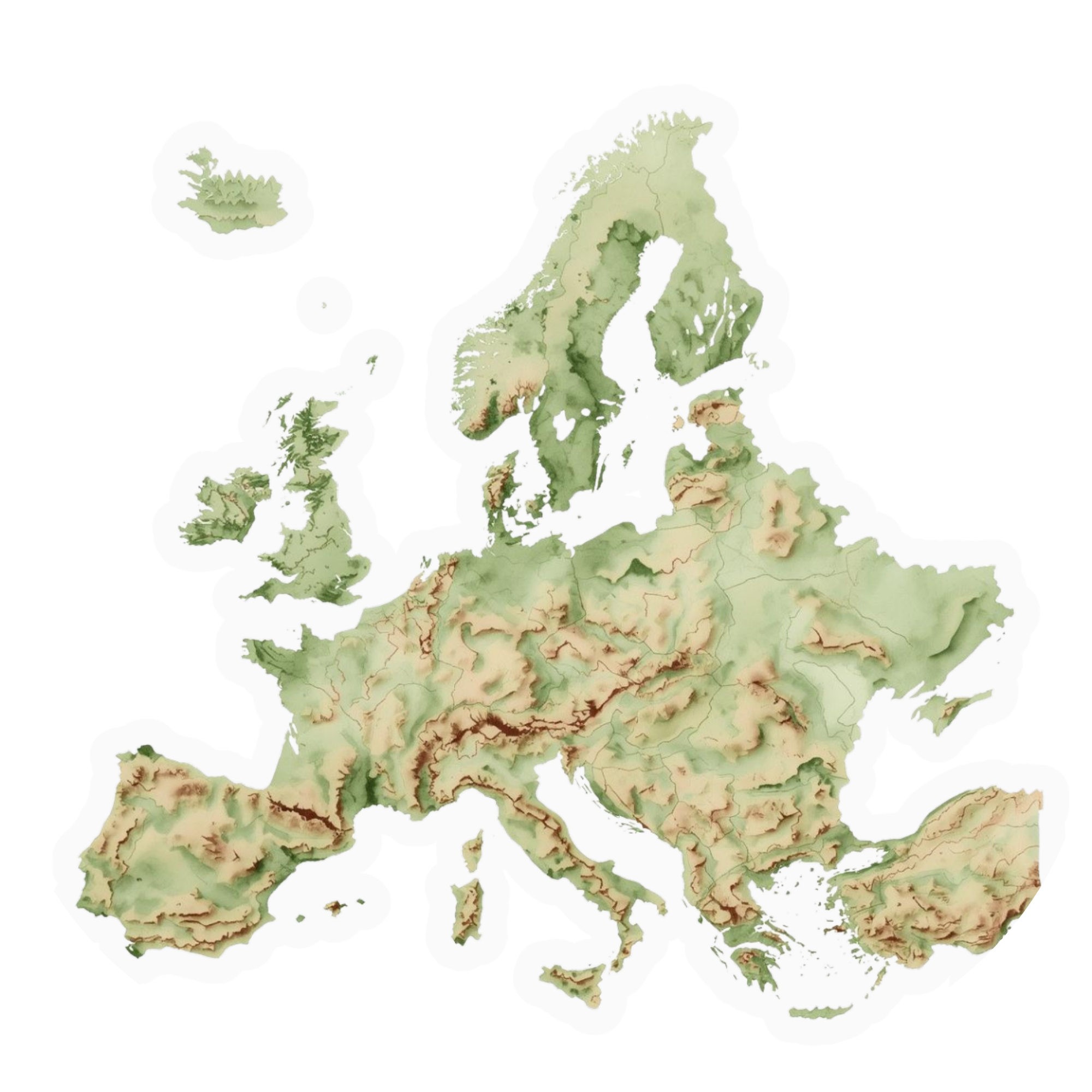


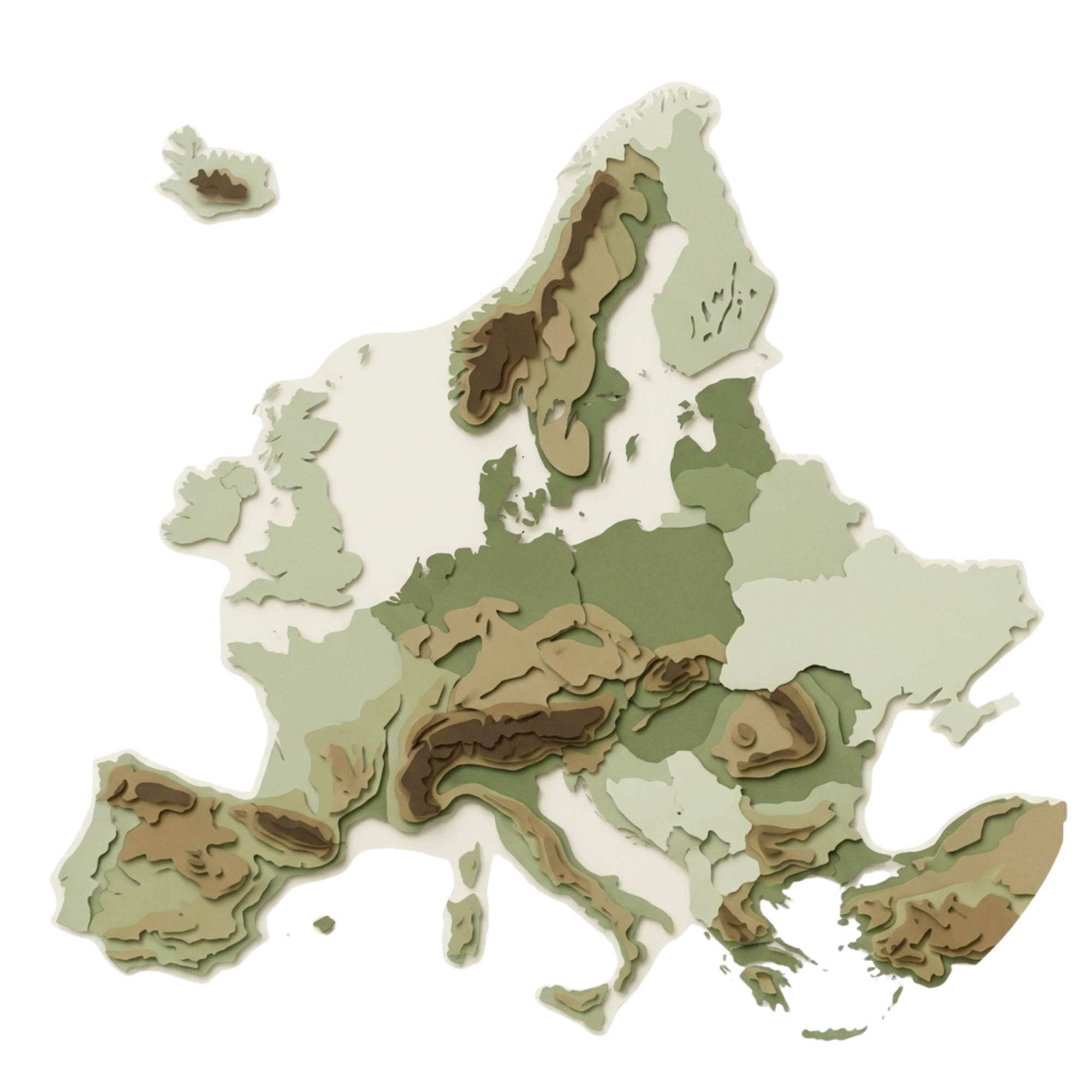

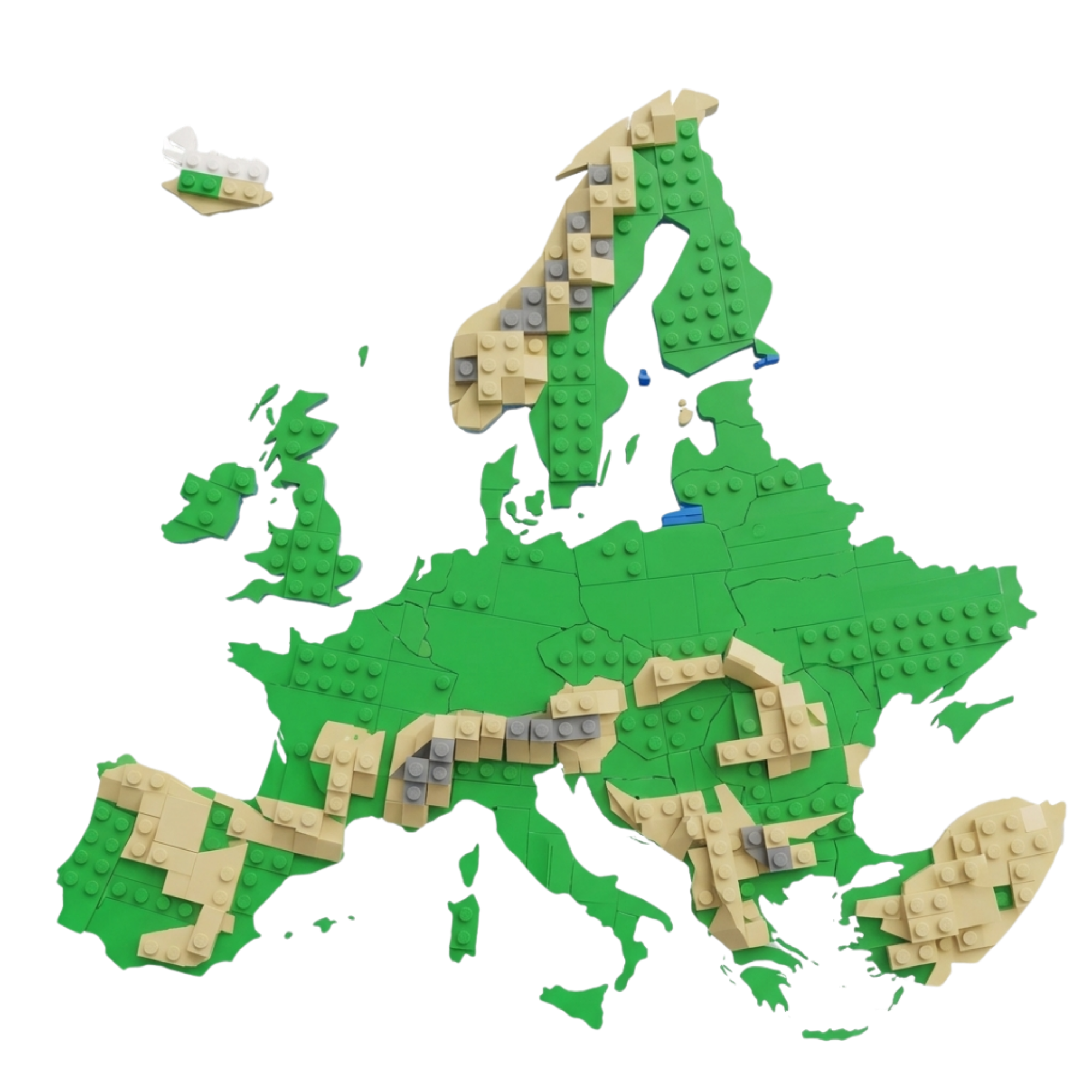
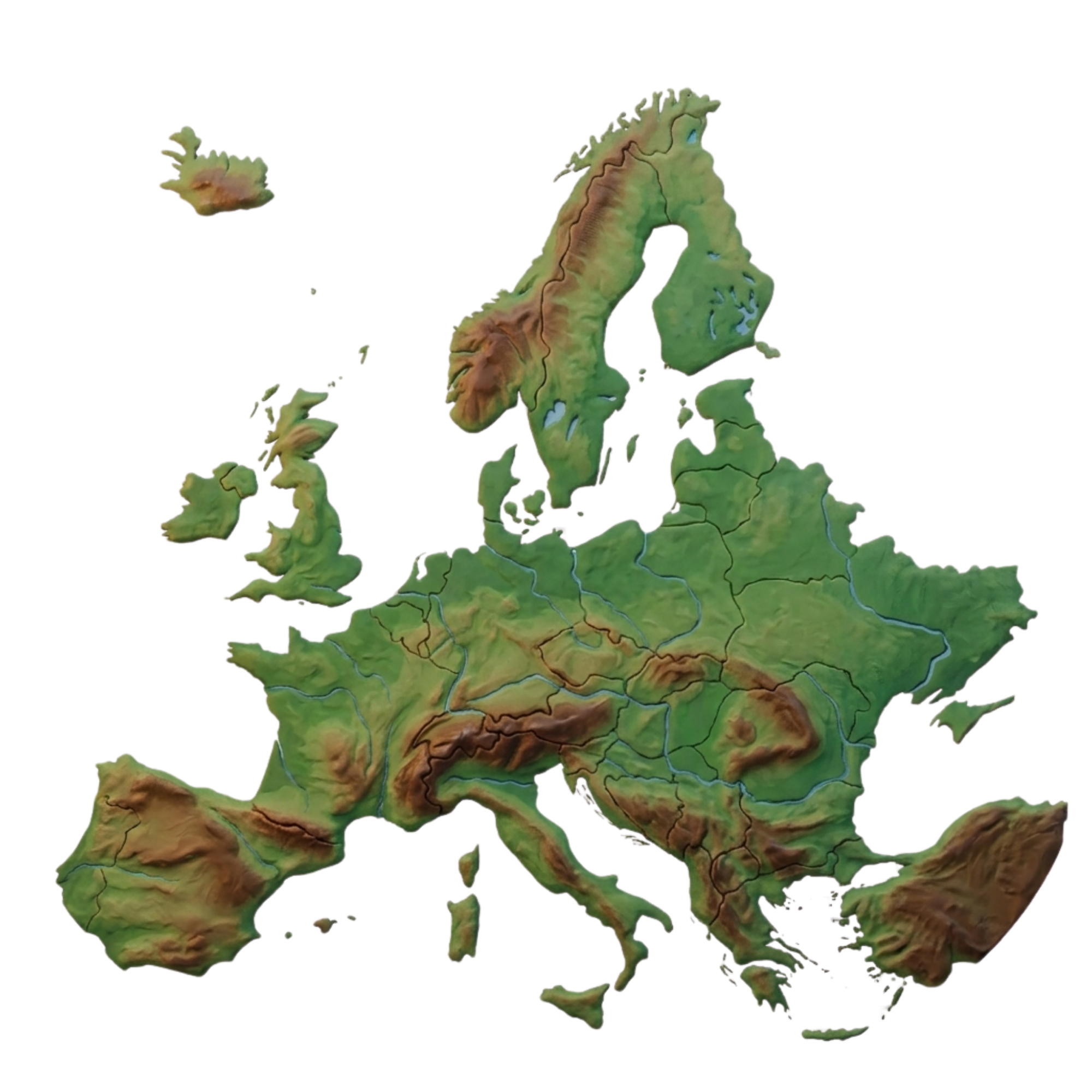
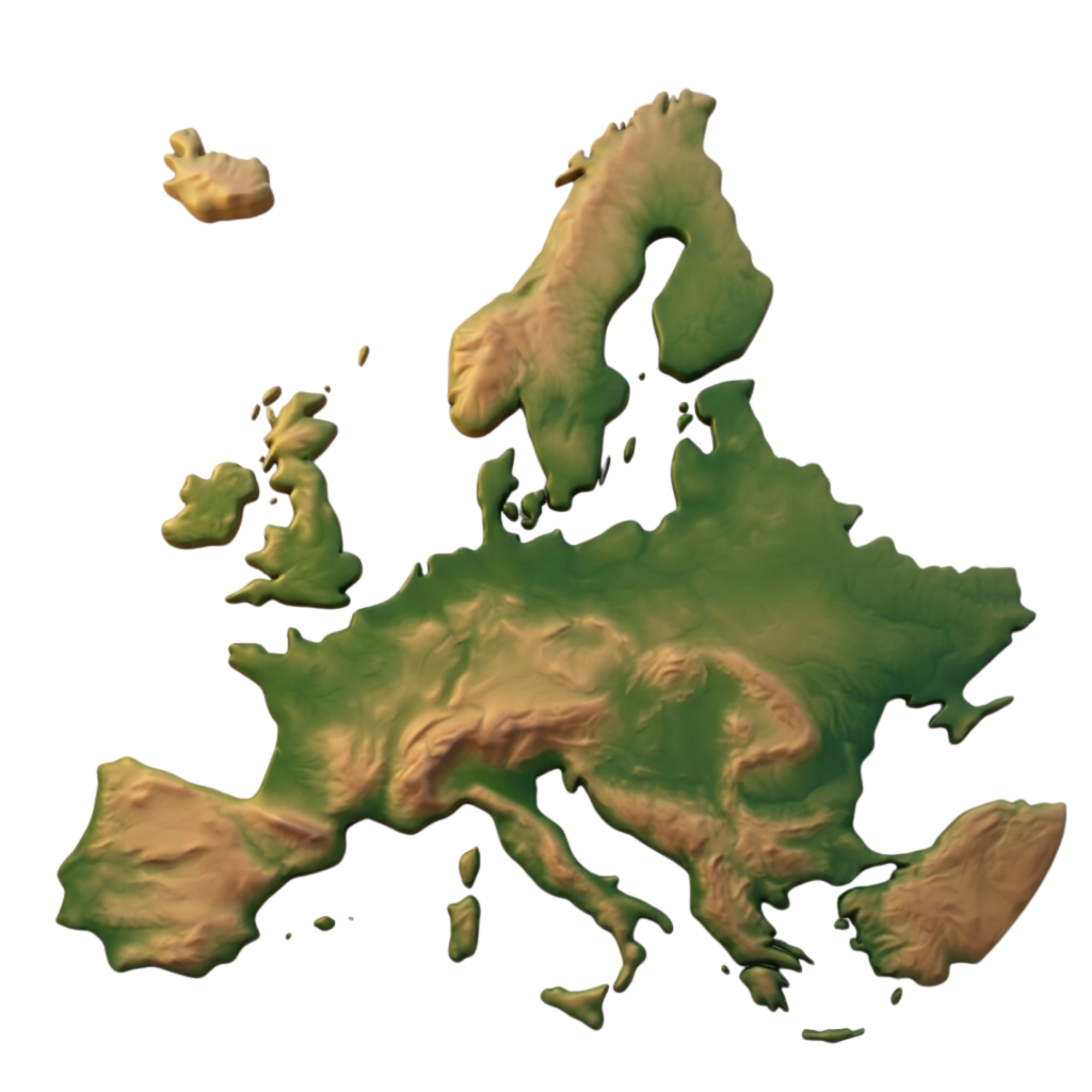
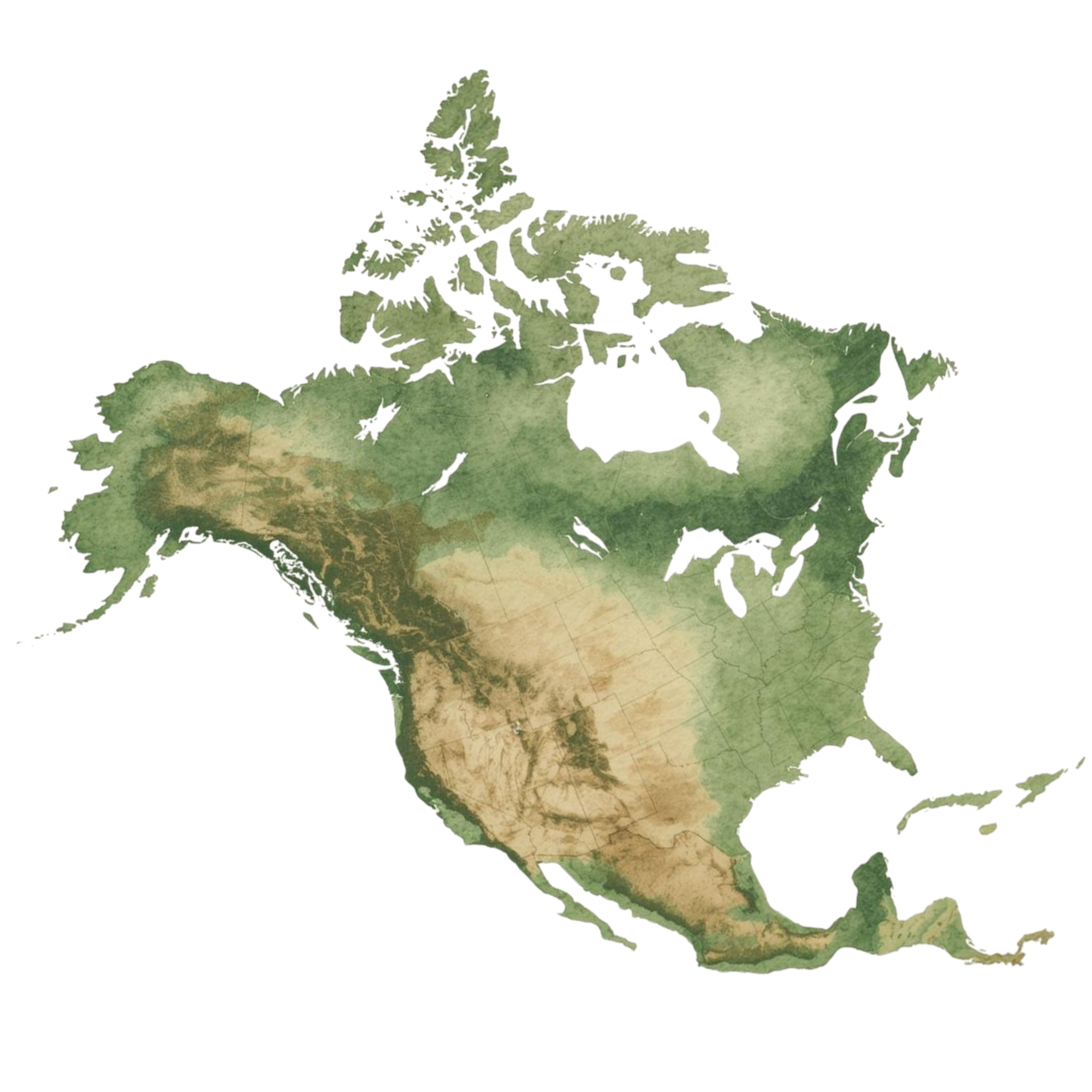
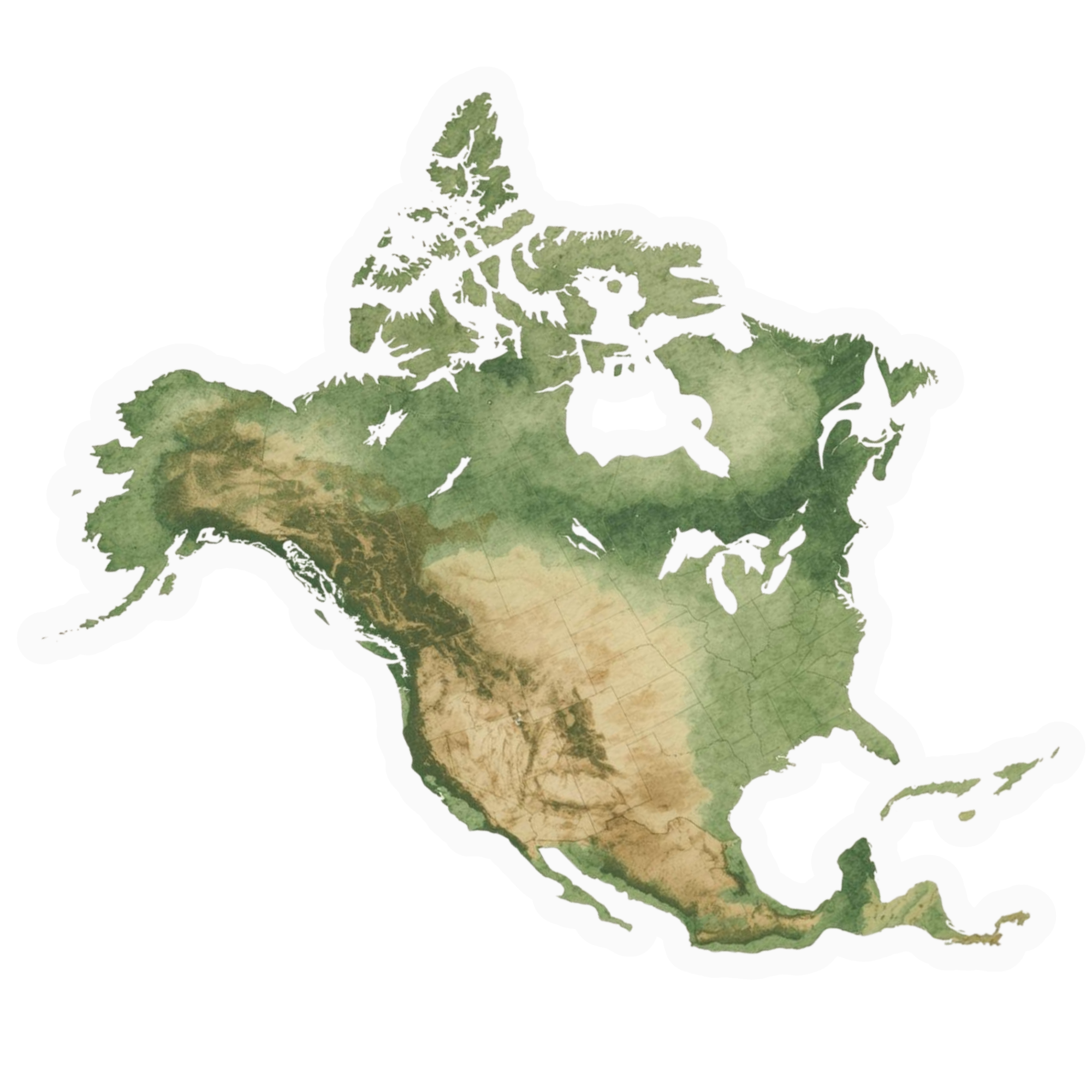




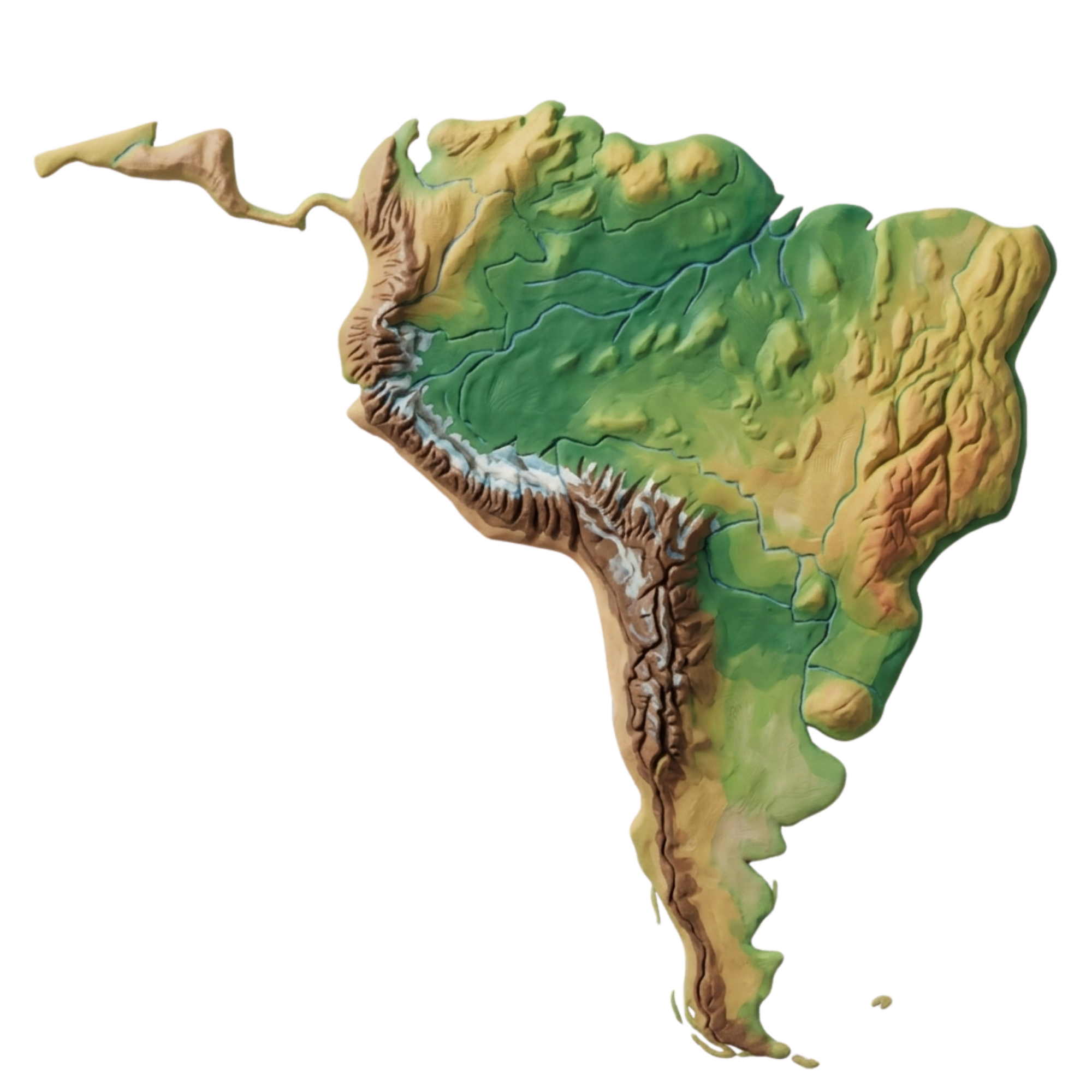

Add content here.

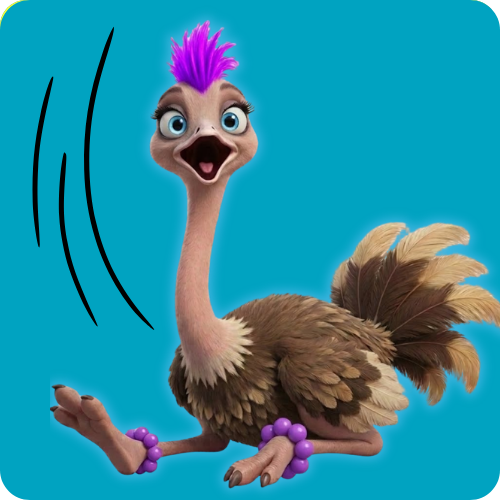
OS has long‑legged, lively, laugh‑making cousins living in nearly every corner of the world.
—but swears it’s “practicing!”
PEN ’s cousins wander the world like tiny travelers —
join the adventure!
BEAR has fun, fuzzy, far-flung cousins scattered all around the world —
popping up in almost every continent.
an adventure.
ROO has long‑legged, lively, laugh‑making “almost” cousins
Kangaroo’s have no actual cousins on any of the other continents--making ROO pretty special!
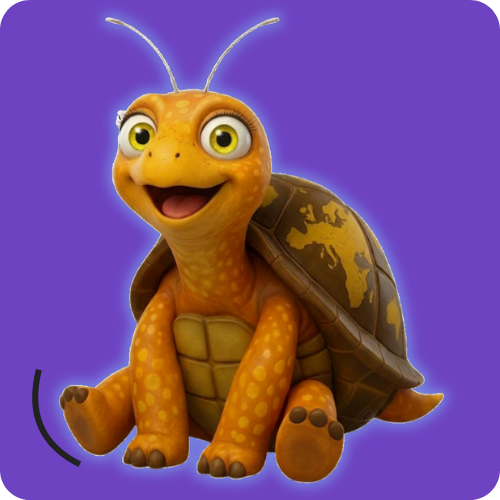
TUT has slow‑and‑steady, shell‑shaped cousins scattered across almost every continent.
—because turtles prefer warm toes and cozy places to hide.
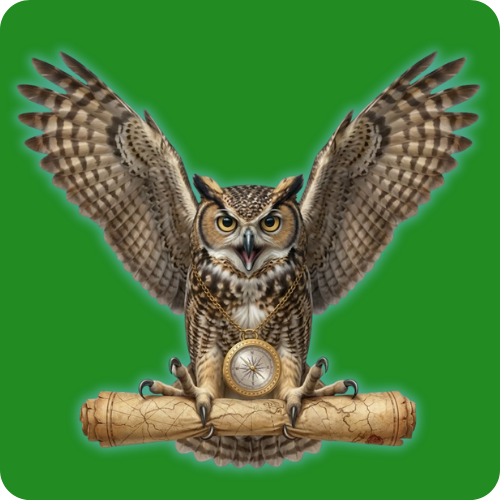
OWL's continental cousins roam the world like wide‑eyed wanderers —
who hoots at hidden wonders long before anyone else even knows they’re there.
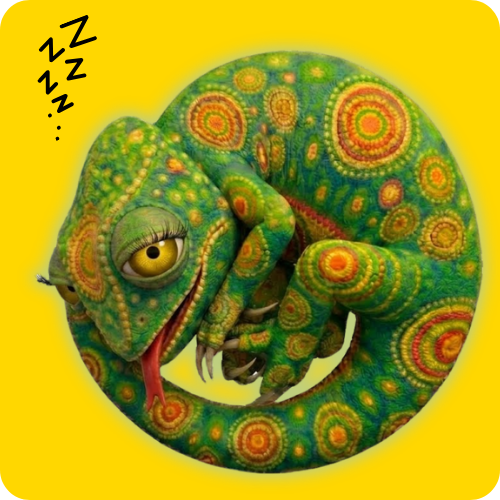
IZ comes from a long line of ancient cousins—
Their echoes live in IZ’s scales and in every cousin who still wanders the world.
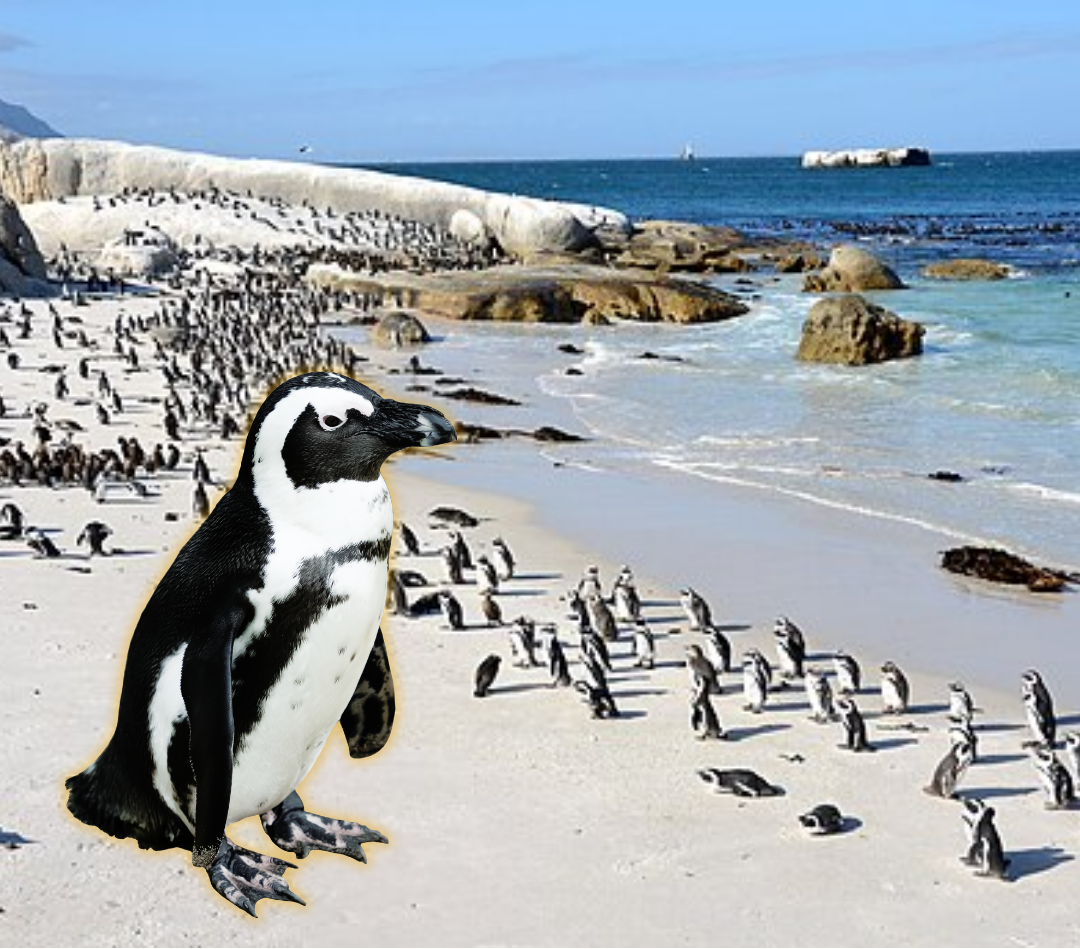
AFRICA — The Beach Penguin
Africa’s penguin cousin traded icy cliffs for sunny shores — a warm‑weather waddler who proves penguins don’t have to love the cold.
Real cousin: African penguin (South Africa & Namibia)
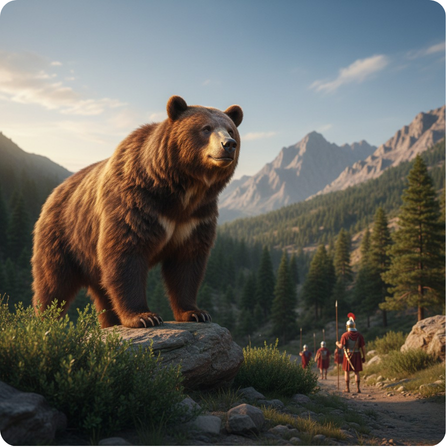
Africa: a bear in dry, hot Africa?
Sadly, not anymore.
The atlas bear went extinct in the 1800s, but it may be hiding somewhere... waiting for the weather to cool off?
Or, waiting for just the right Madykazoo adventure?
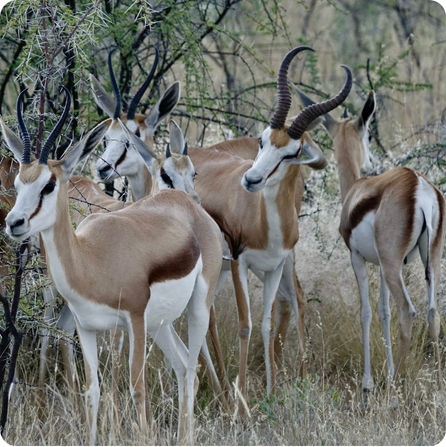
Africa’s best “almost cousin” for ROO is the springbok—a bright‑eyed, bounce‑happy antelope who leaps straight into the air in joyful jumps called pronks, as if showing off its springy superpowers.
With its zig‑zag zooms, sky‑high hops, and sunny savanna swagger, the springbok feels like ROO’s far‑away friend who traded a pouch for pure pizzazz.
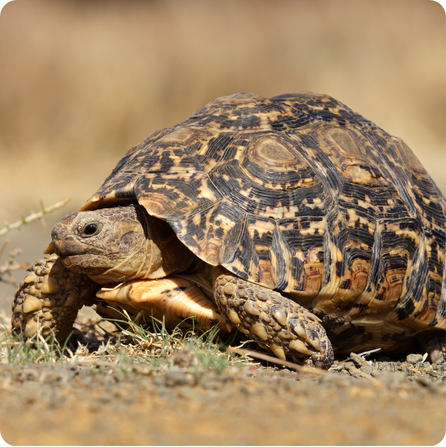
Africa’s warm grasslands are home to the leopard tortoise — TUT’s spotted, sunshine‑soaked cousin.
Its shell is sprinkled with golden patterns that look like tiny painted sunsets, and it strolls through the savanna with calm, steady confidence.
A gentle, grass‑grazing wanderer who prefers warm rocks, quiet mornings, and long, lazy lunches under acacia shade.
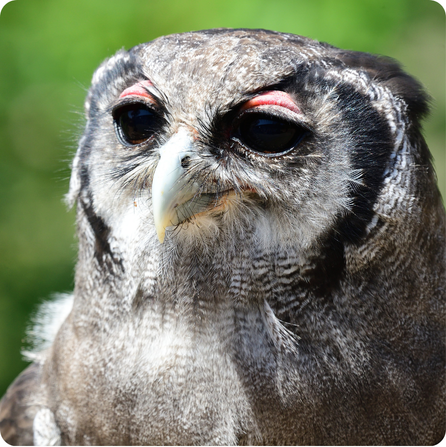
AFRICA — Verreaux’s Eagle‑Owl
Across the African skies lives a blush‑blinking beauty —the Verreaux’s Eagle‑Owl, all plush feathers and pink‑tinted poise. With every slow, sleepy blink, it looks like it’s sharing a secret in soft, rosy winks.
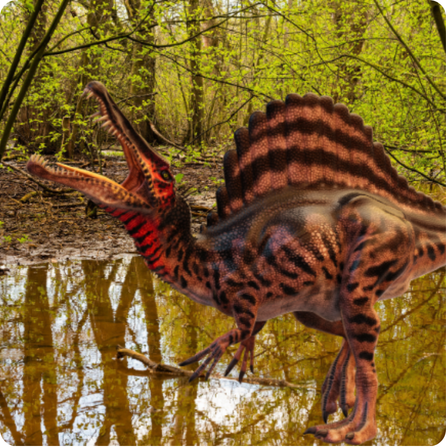
Africa — Spinosaurus
A fish‑sniffing, sail‑backed loner who splashed through river deltas with a crocodile grin and a canoe‑shaped snout.
It’s the cousin who preferred water over drama and ate its meals with a side of swamp.
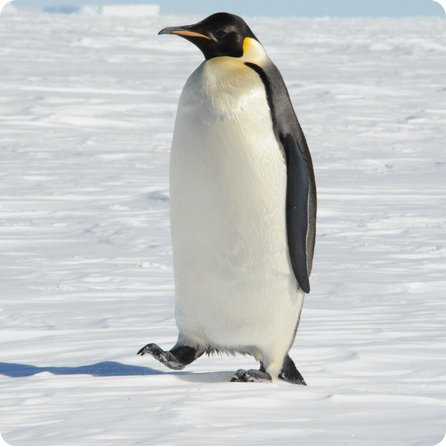
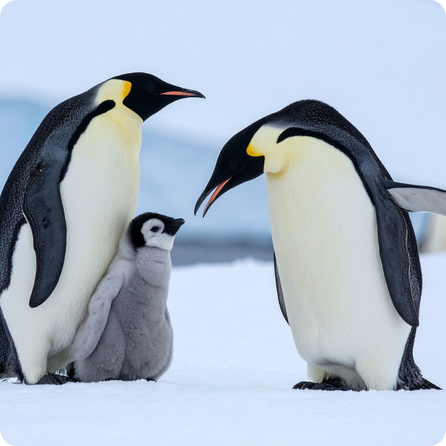
Antarctica’s icy coastlines are home to the emperor penguin — not a real cousin of OS, but a chilly, cheerful stand‑in who shares his big‑bird boldness.
Wrapped in sleek black‑and‑white feathers and waddling with quiet pride, this penguin can’t run like OS, but he insists he would if the ground weren’t made of slippery ice.
A brave, bundled‑up buddy who loves snowy strolls, shimmering ice, and staying close to family for warmth.
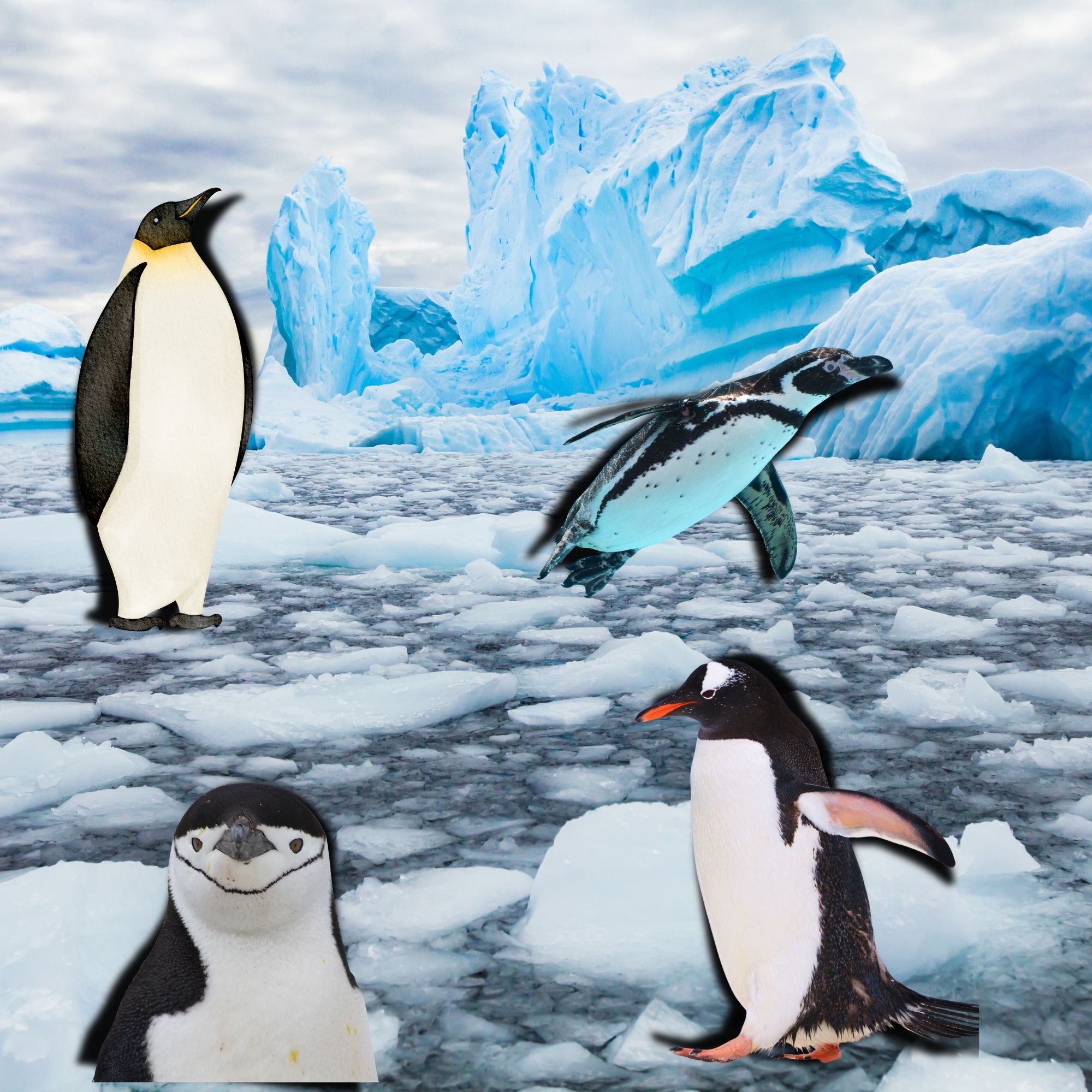
ANTARCTICA — The Real Penguin Posse
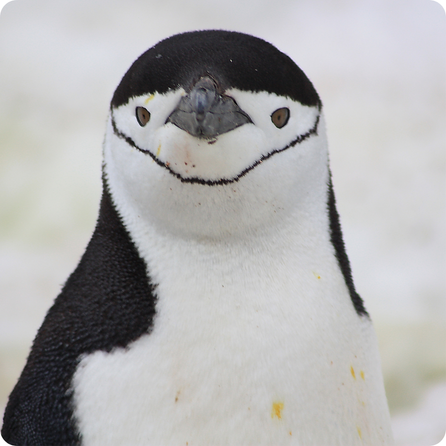
Antarctica’s cousins don’t need introductions — they waddle, they slide, they dress in tuxedos, and they OWN this icy neighborhood
Emperor penguin
Adelie penguin
Chinstrap penguin
Gentoo penguin
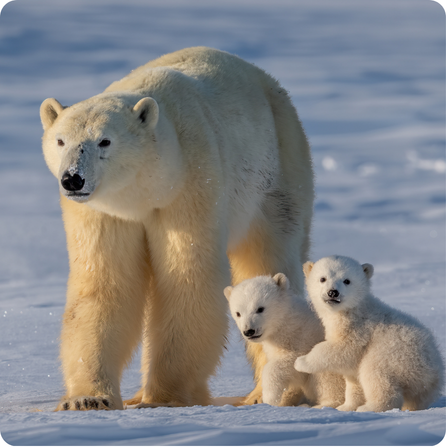
Antarctica: The polar bear (a white bear that makes its appearance on holiday cards), is a chilly cousin of BEAR who looks like he belongs on an iceberg in Antarctica…
...but actually lives way up on the other side of earth--around the north pole, which is part of the North American continent!
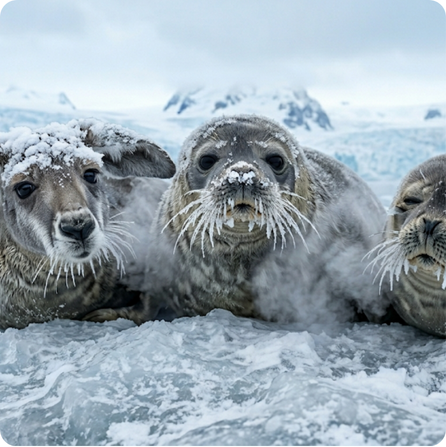
Antarctica has no hopping, bounding, bouncy‑tailed cousins for ROO at all—because kangaroos refuse to leap where the land is icy, the winds are wild, and the snow squeaks louder than their footsteps.
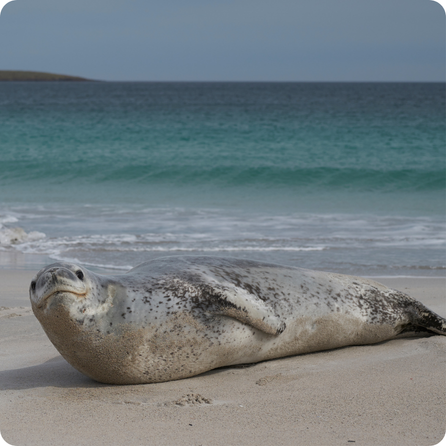
ROO says any place that freezes your whiskers before breakfast is a place for seals, not pouch‑folk!!

Antarctica has no turtles at all — it’s far too icy for TUT’s warm‑loving family. But if you listen closely to the snowy silence, you might imagine a tiny turtle dreaming of cozy sunshine from somewhere far, far away.
A pretend, frost‑free “cousin” who exists only in daydreams — because turtles treasure warmth far too much to visit the ice.
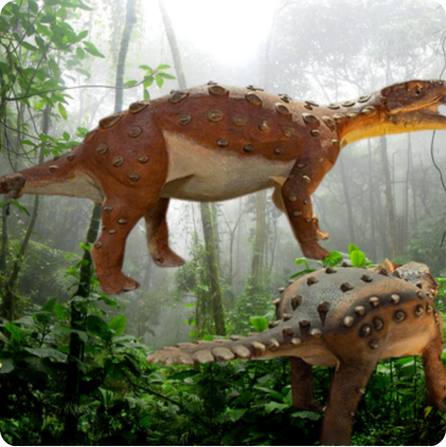
Antarctica — Antarctopelta
The armored snow‑fort cousin who waddled through chilly forests in small, quiet herds, tail club ready for any surprise.
It lived after the continents drifted apart, but its bumpy armor hints at the reptiles that would one day rule warm places.
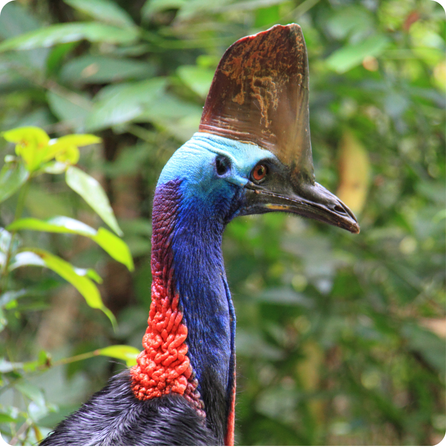
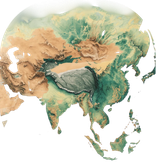
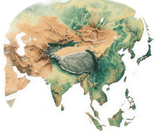
Asia’s lush rainforests are home to the cassowary — OS’s bold, brilliantly‑colored cousin.
Famous for its helmet‑like crest, deep blue feathers, and powerful legs, this rainforest runner moves with the confidence of a bird who knows it’s unforgettable.
A striking, secretive sprinter who loves shady paths, tropical fruit, and the quiet thump‑thump of footsteps on soft forest floor.
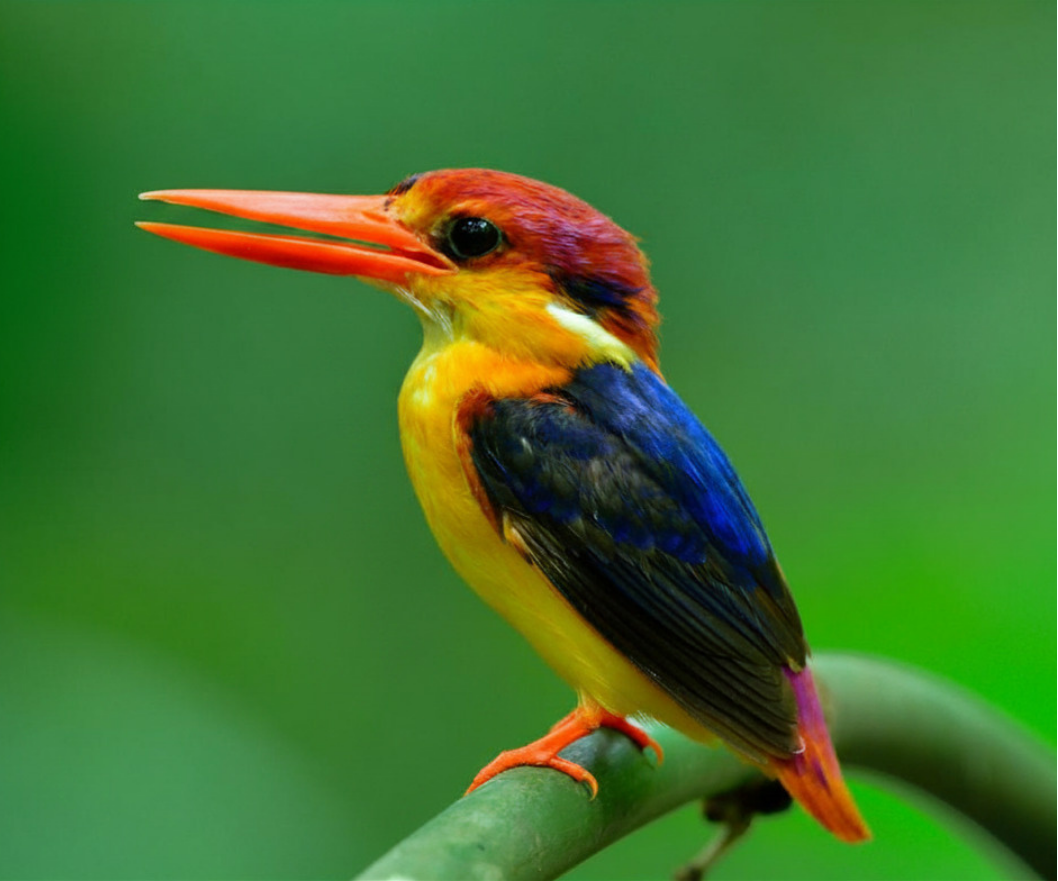
ASIA — The Kingfisher Who Thinks He’s a Penguin
Asia doesn’t have penguins… but it does have the Oriental Dwarf Kingfisher — a tiny, neon‑colored bird who is absolutely convinced he’s part penguin, part lightning bolt, and part superhero. He can’t waddle, he can’t slide on ice, and he definitely can’t survive in Antarctica… but he can zip through the jungle at ridiculous speeds and strike dramatic poses with his electric‑rainbow feathers.
Real cousins: None per se. Funny cousin substitute: the Oriental Dwarf Kingfisher — a wannabe penguin with way too much confidence and way too many colors.
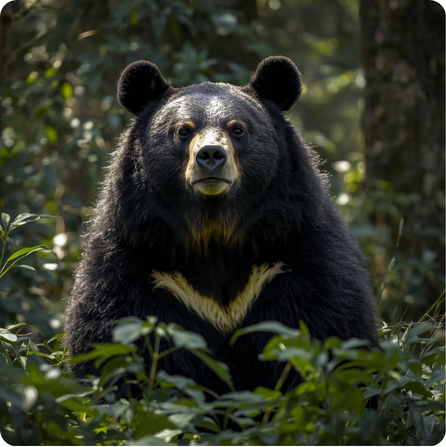
Asia is BEAR’s bustling hometown — the continent with more bears than anywhere else on Earth. Here, BEAR’s closest cousins roam:
the moon bear with its glowing chest crescent,
the sun bear with its honey‑loving tongue,
the sloth bear who snuffles up insects like a living vacuum, and
the mighty brown bear, ruler of mountains and forests.
Asia is basically one giant, furry family tree.
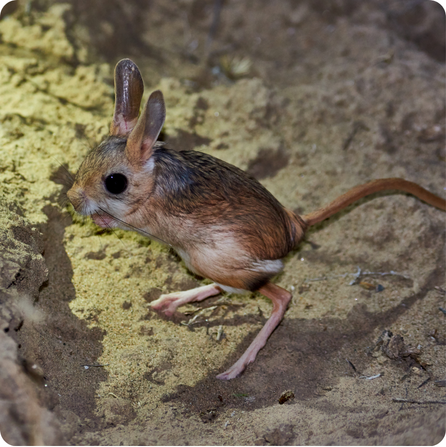
Asia has a tiny, spring‑legged, moonlit “almost cousin” who hops through desert nights on legs far too long for its little body and
ears big enough to hear secrets from the stars.
With its bouncy leaps, feather‑light feet, and comically oversized ears, the jerboa feels like ROO’s miniature midnight pen pal — the one who practices tiny hops in the sand and signs every note, “Jumping joyfully.”
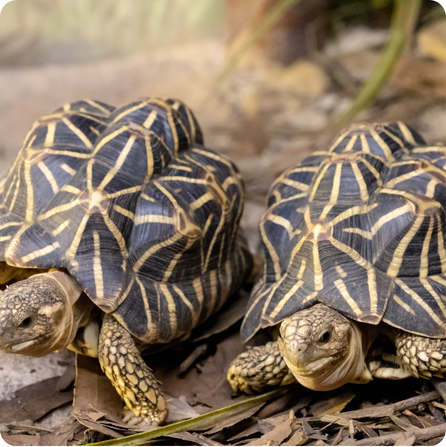
Asia’s dry grasslands are home to the Indian star tortoise — TUT’s dazzling, star‑patterned cousin. Its shell glows with bright, geometric rays that look like someone sketched constellations across its back.
A quiet, careful crawler who prefers warm breezes, gentle shade, and slow strolls that sparkle in the sunlight.
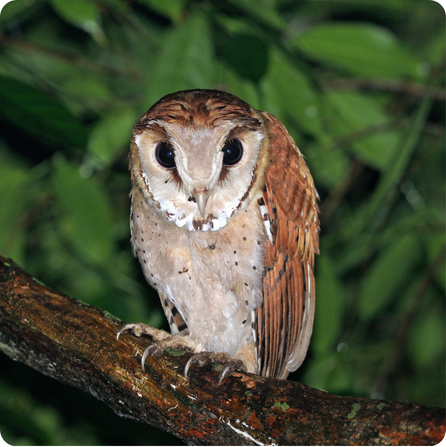
ASIA — Oriental Bay Owl
From Asia drifts a moon‑masked marvel —the Oriental Bay Owl, all gentle curves and glowing calm, as if someone folded a paper heart and taught it how to fly.
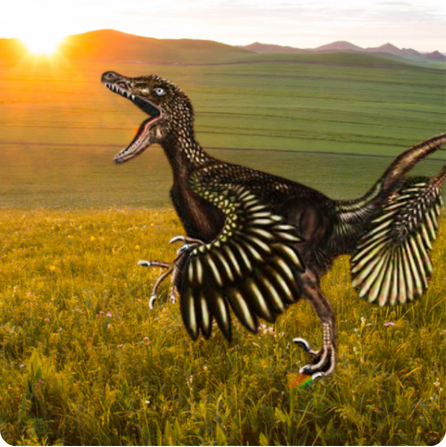
Asia — Velociraptor
A clever, feather‑ruffled night‑hunter who zipped through the sand in speedy little packs.
This cousin invented teamwork, side‑eye, and the art of stealing snacks from bigger dinosaurs.
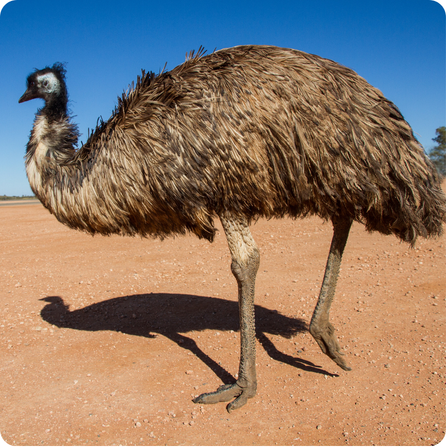
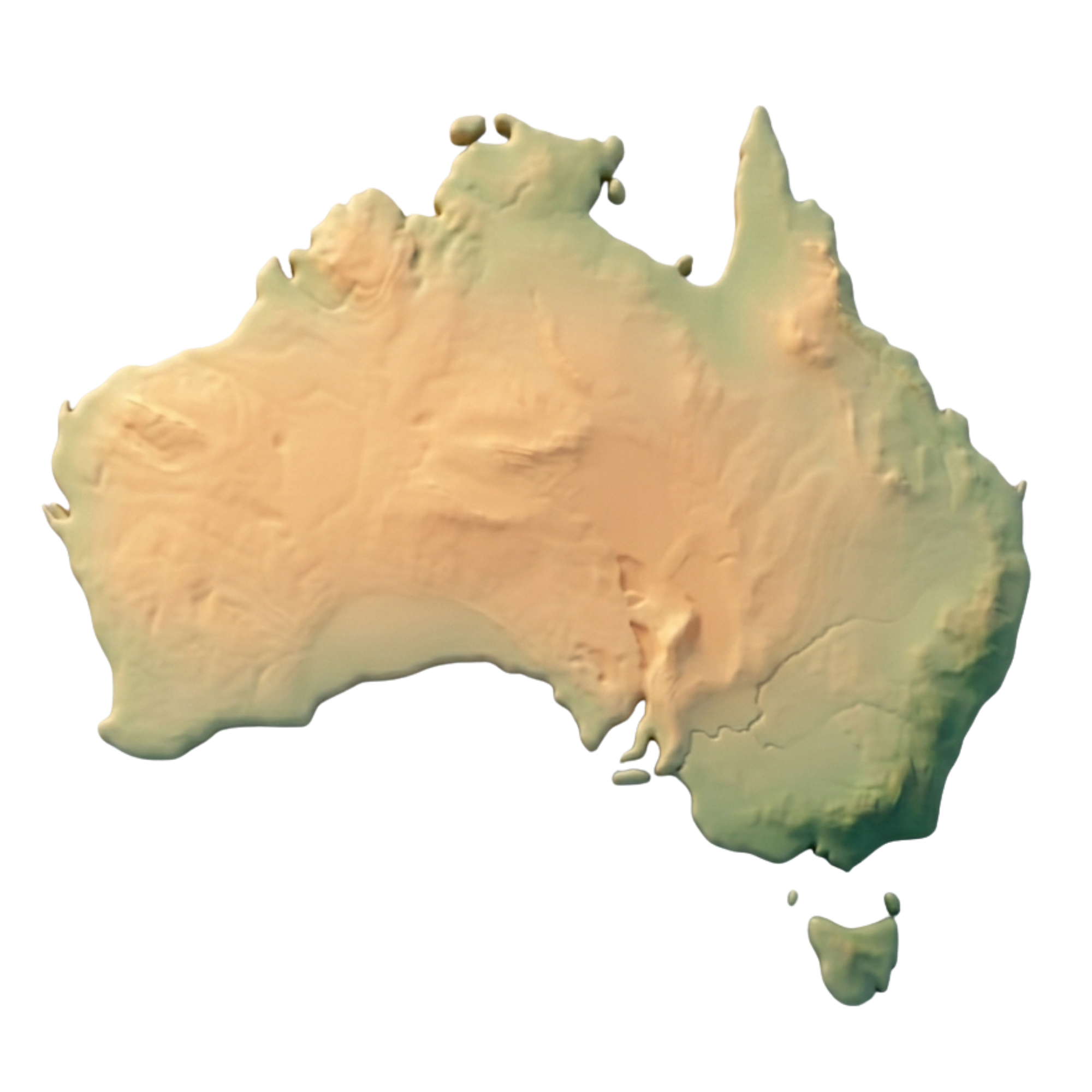
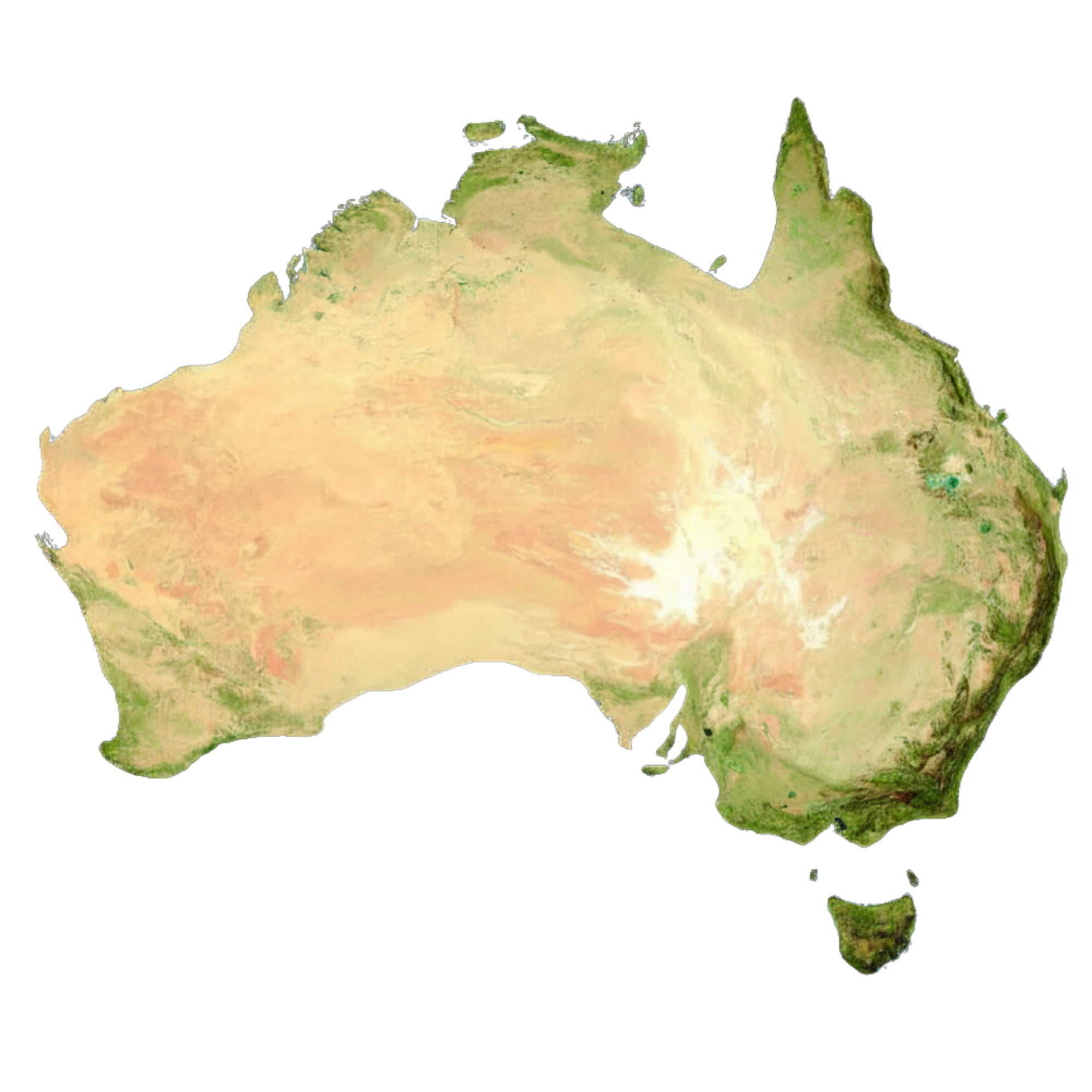
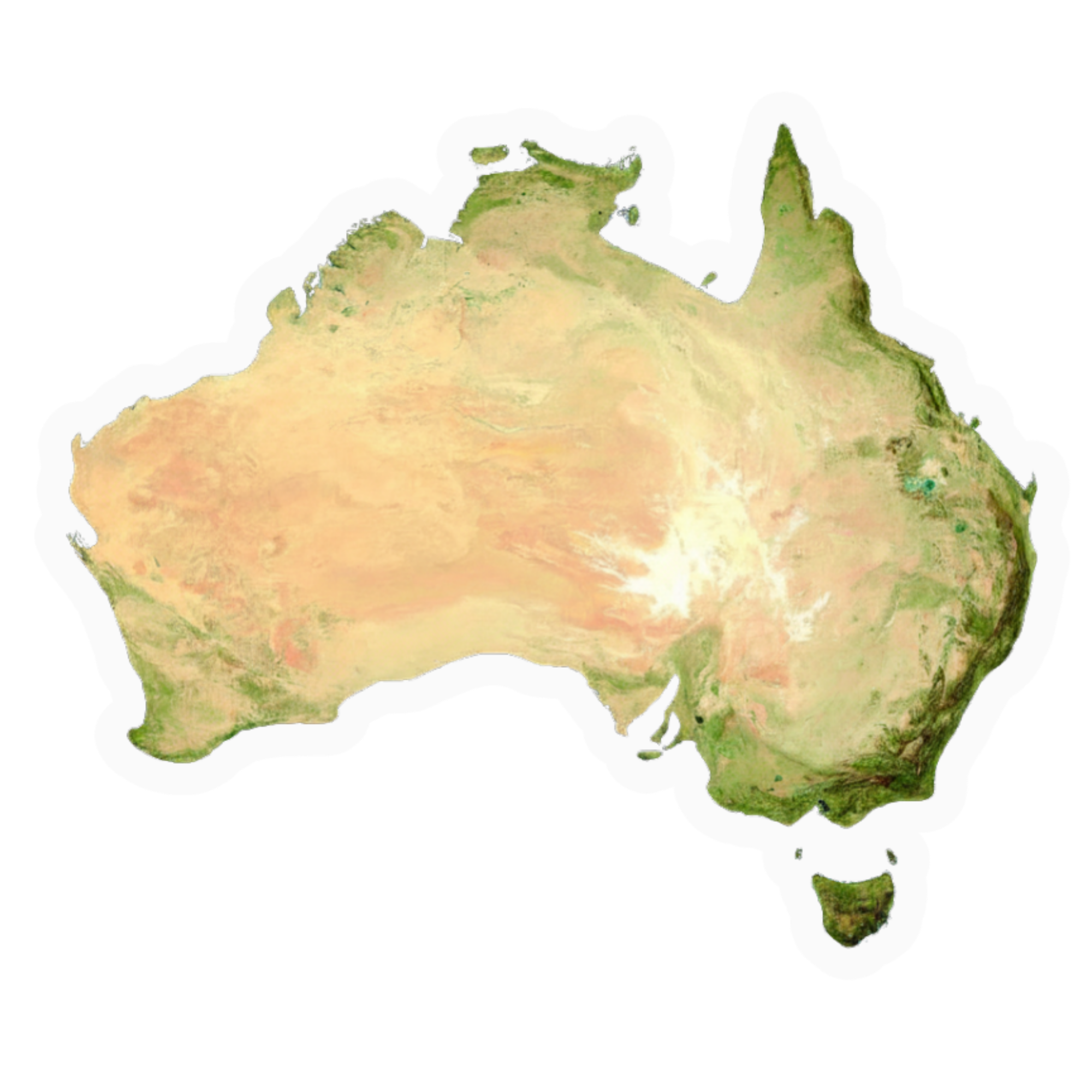
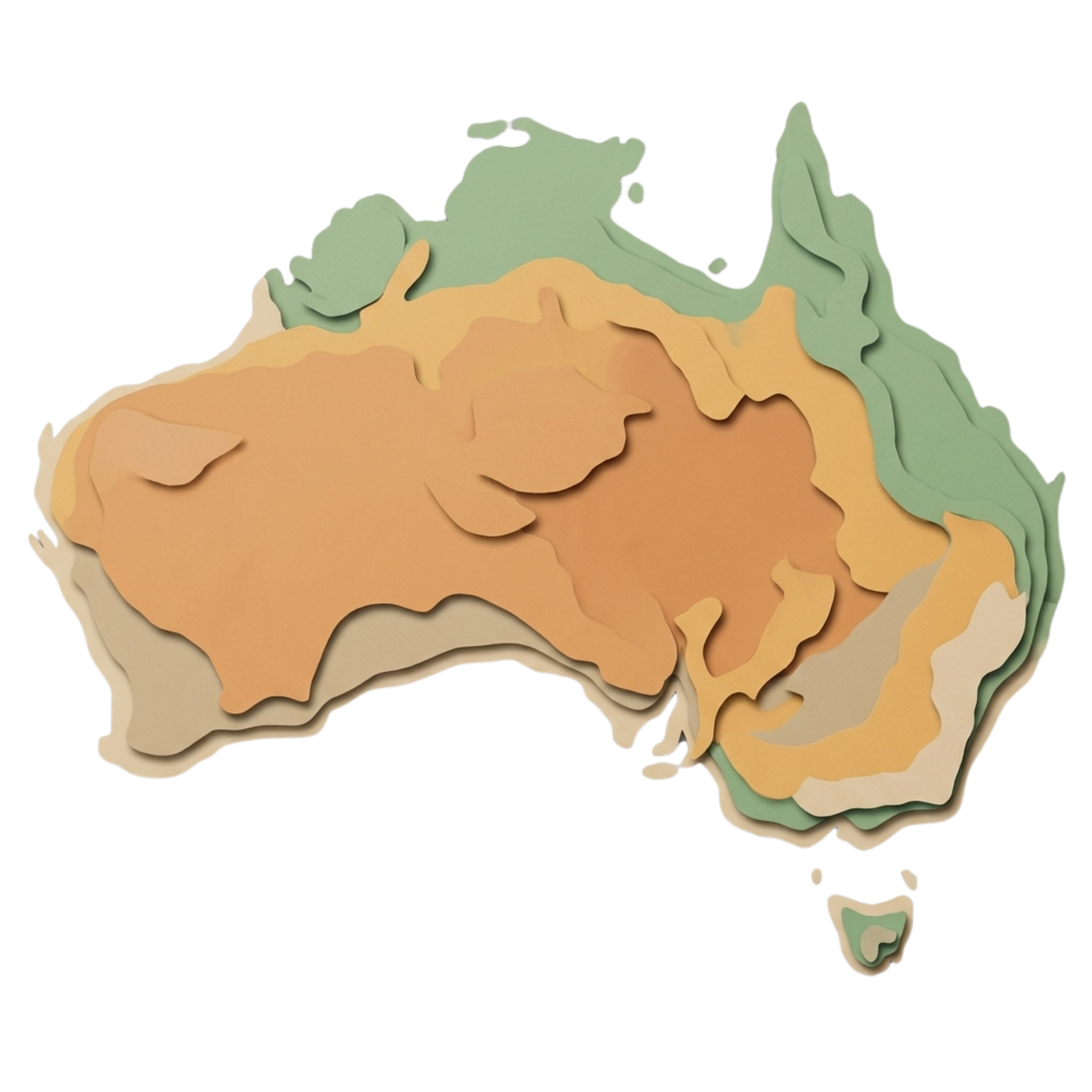
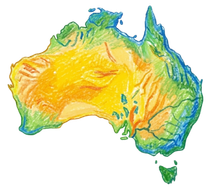
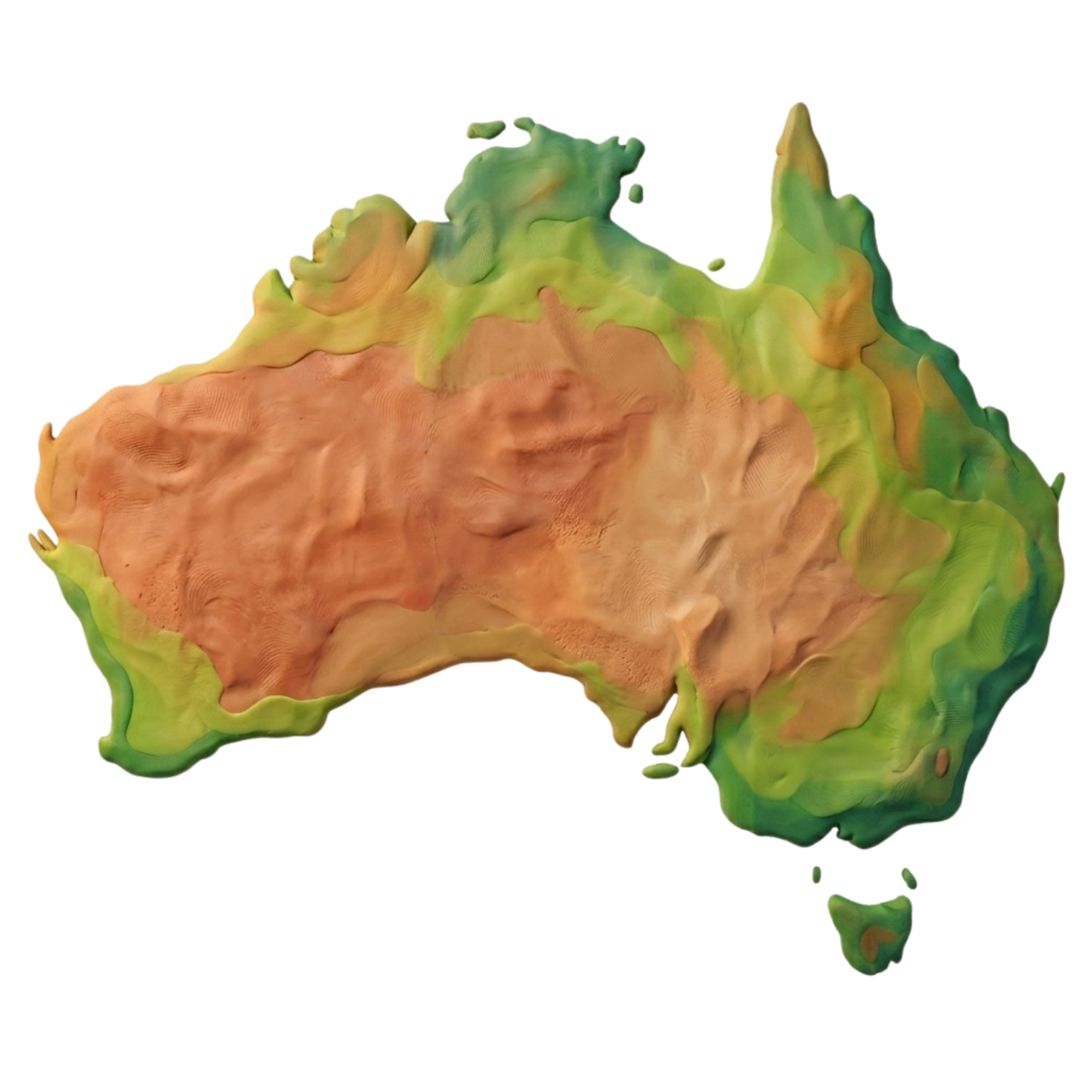
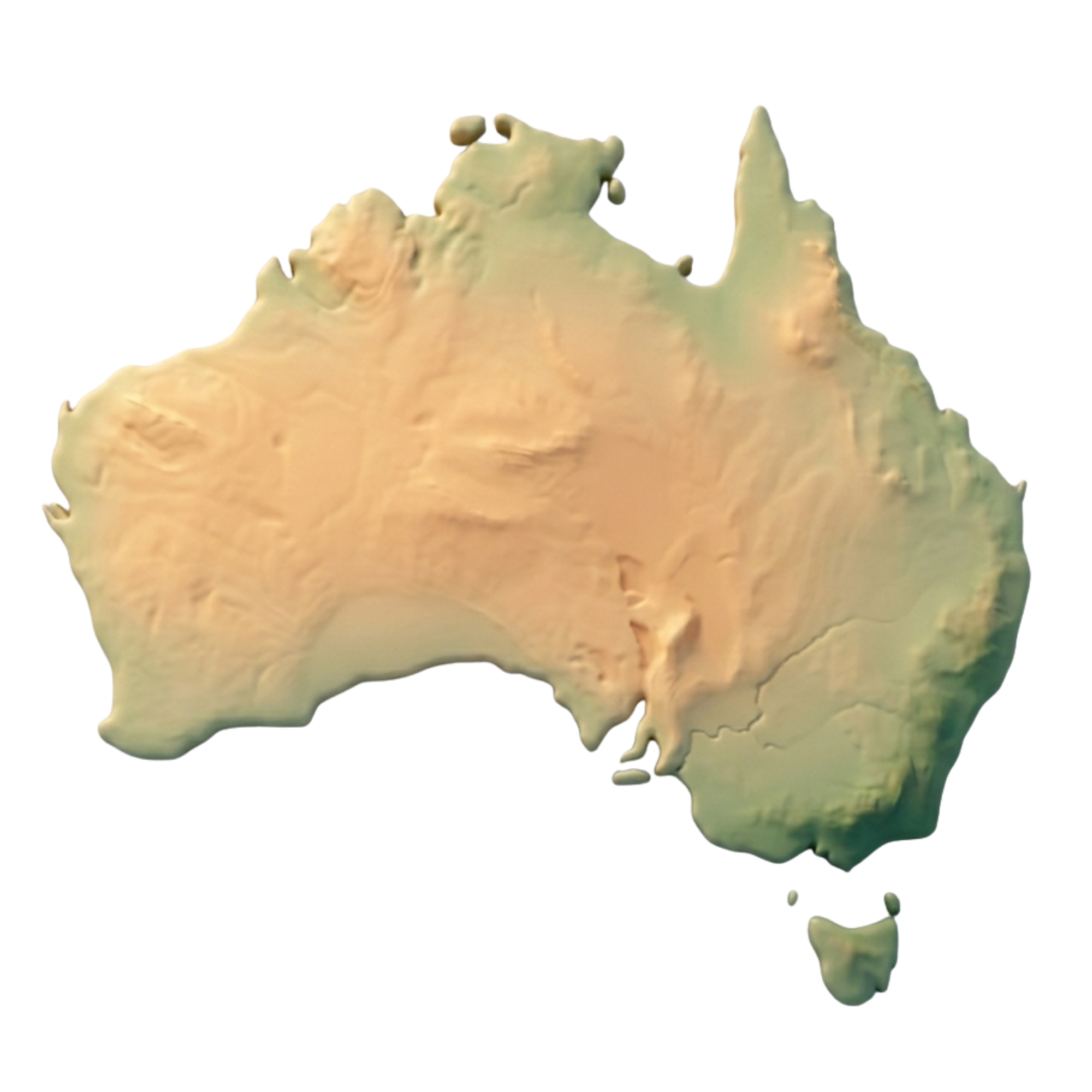
Australia’s sun‑soaked outback is home to the emu — OS’s tall, tough, true ratite cousin who shares his long legs and love of running.
Famous for its shaggy feathers, curious stare, and the way it thunders across the red earth like it’s racing the wind, the emu is every bit as bold as OS.
A fast, feather‑ruffling wanderer who prefers wide horizons, dusty trails, and friendly competitions to see who can kick up the most sand.
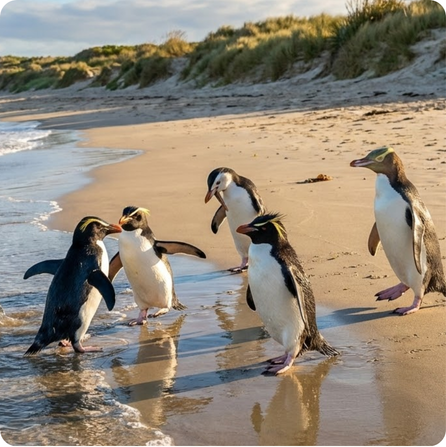
AUSTRALIA / OCEANIA — The Surfers
Oceania’s penguin cousins are tiny, loud, and totally beach‑obsessed — the surfer crew of the penguin family, even without the surfboards.
Real cousins: Little Blue, Fiordland, Snares, Royal, Erect‑crested, and Yellow‑eyed penguins. You’ll find them in beach towns with the tourists.
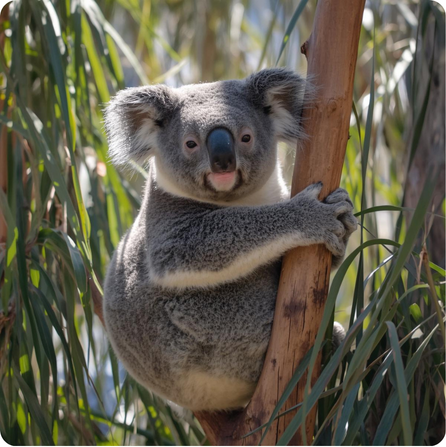
Australia: Looks can be deceiving, but it doesn't matter when you're as cute and cuddly as a koala bear--which is not really a bear at all!
Oh my!
Well, we can pretend.
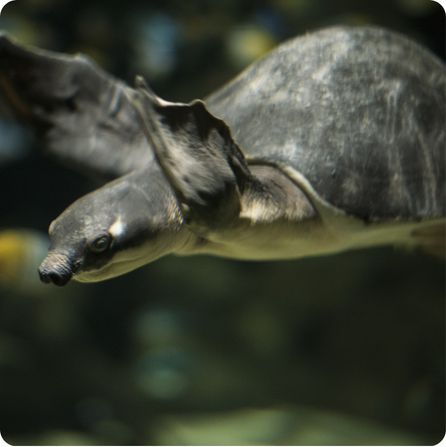
Australia’s tropical rivers are home to the pig‑nosed turtle — TUT’s soft‑snouted, snorkel‑nosed cousin with a face that always looks a little surprised.
With flipper‑like feet, smooth gray skin, and a tiny button nose that wiggles underwater, this turtle paddles through warm currents like a gentle, floating puppy.
A curious, leaf‑loving explorer who prefers quiet creeks, sandy bottoms, and long, peaceful swims where its funny little nose can peek up for air.
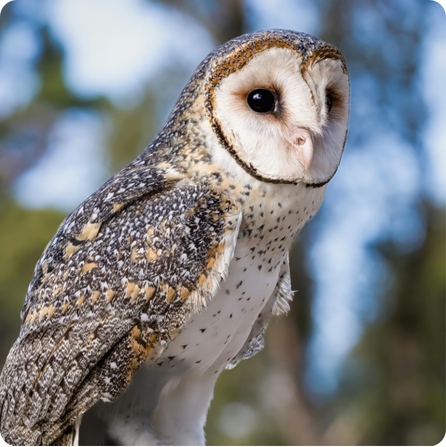
AUSTRALIA / OCEANIA — Masked Owl
From Australia glides a round and broad faced moon‑masked mystery —the Masked Owl, all shadow‑soft feathers and heart‑shaped hush, a twilight trickster who looks forever ready for a midnight masquerade among the gum trees.
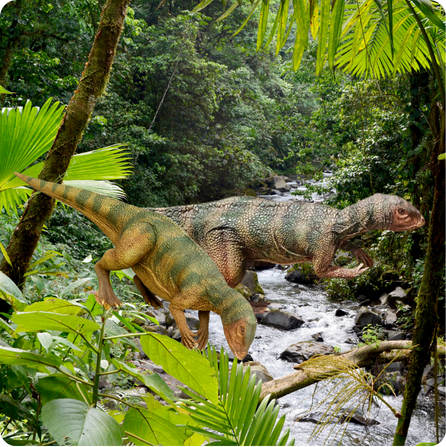
Australia — Qantassaurus
A chunky, crouching plant‑muncher who darted through polar forests on speedy legs, snacking on ferns like they were popcorn.
It’s the cousin who always shows up with crumbs on its face and a leaf stuck to his elbow.
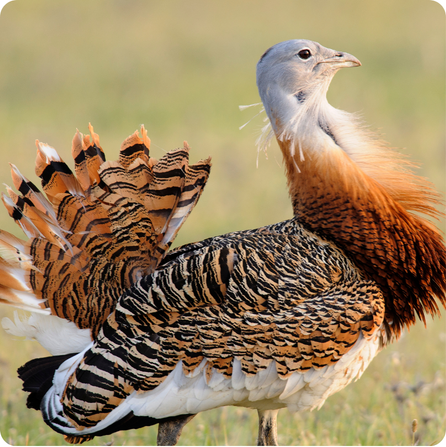
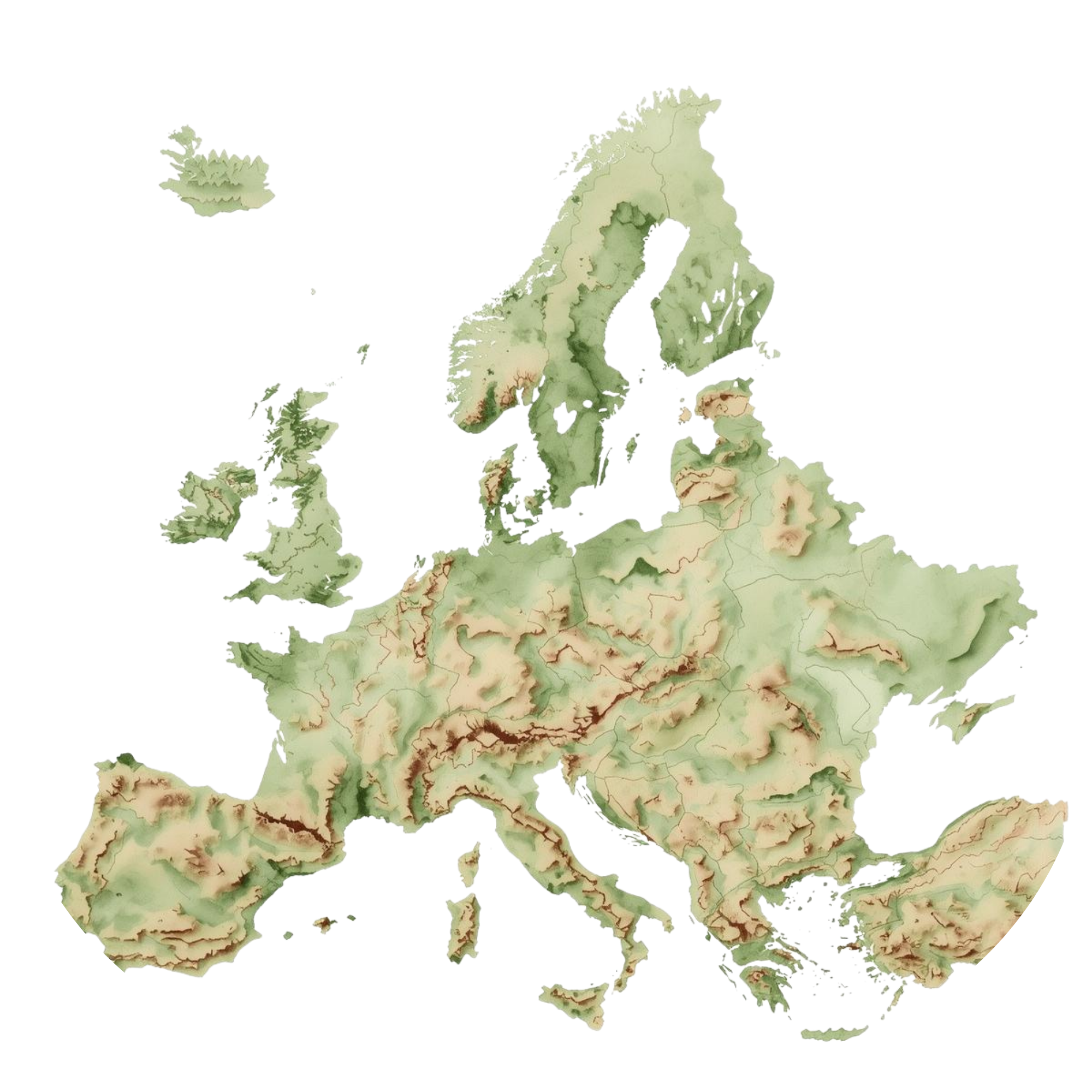
Europe’s rolling meadows are home to the great bustard — OS’s still grand, strutting (wanna-be) cousin.
With sweeping feathers, a proud chest, and a walk that looks suspiciously like a parade rehearsal, this bird turns every field into a stage.
A regal, rustling show‑stopper who prefers quiet grasslands, gentle winds, and any excuse to fluff up dramatically.
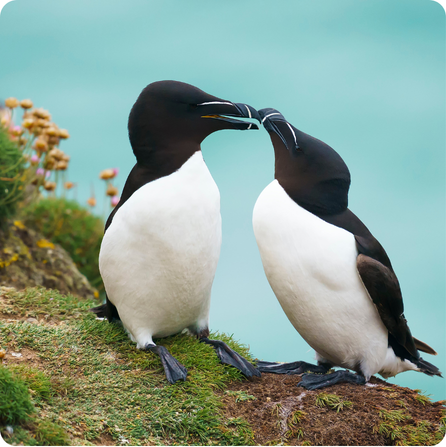
EUROPE — The Almost‑Penguin
Europe’s “penguin” is the auk — a bird that dressed like a penguin, acted like a penguin, and then wandered way too far north to actually be one.
Real cousins: None. Funny cousin substitute: the auk
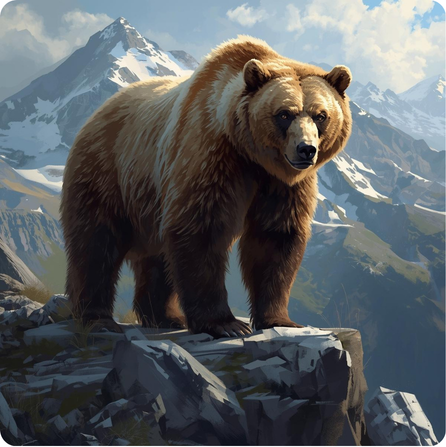
Europe’s brown bear is a furry mighty mountain majesty — not quite as huge as a polar bear, but full of ancient bear wisdom.
It has roamed through snow‑kissed ridges and deep, echoing forests for countless seasons, a cousin shaped by wind, stone, and time, collecting stories from rivers, rocks, and rustling leaves like treasures tucked under its paws.
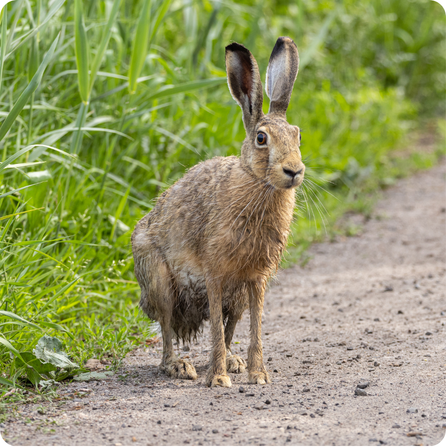
Europe’s best “almost cousin” for ROO is the European hare—a long‑legged, lightning‑leaping meadow sprinter who bounds across fields with such springy swagger you’d swear it was practicing kangaroo cosplay.
With its tall ears, turbo hops, and dusk‑dancing zooms, the hare feels like ROO’s breezy, borrowed‑continent cousin who traded a pouch for pure, wind‑whistling speed.
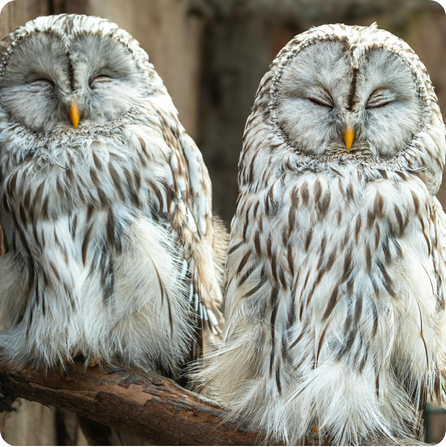
EUROPE — Tawney Owl
In Europe’s enchanted forests lives a moss‑mottled moon‑watcher —the Tawny Owl, all soft browns and sleepy blinks, a cuddly, calm‑hearted cousin who carries the comfort of old trees wherever it glides.
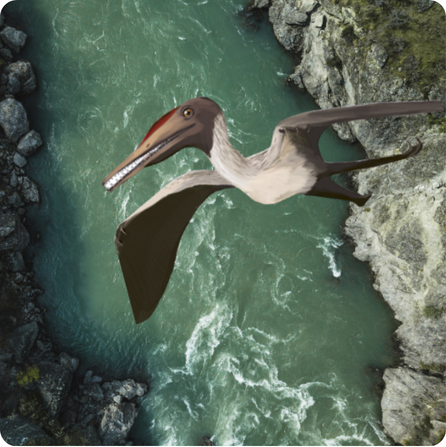
Europe — Pterodactylus
Not actually a dinosaur — just a prehistoric flying reptile who lived with the dinos and refuses to admit he wasn’t one.
It glided over ancient lagoons at dusk, crashing family reunions with the confidence of someone who believes wings count.
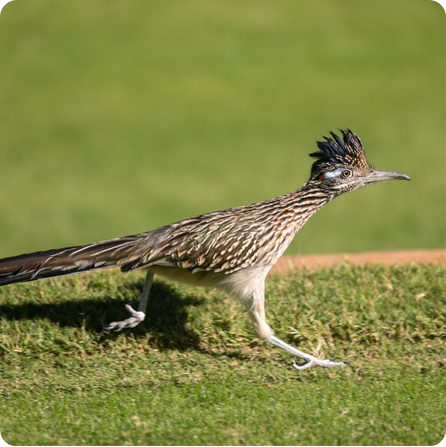
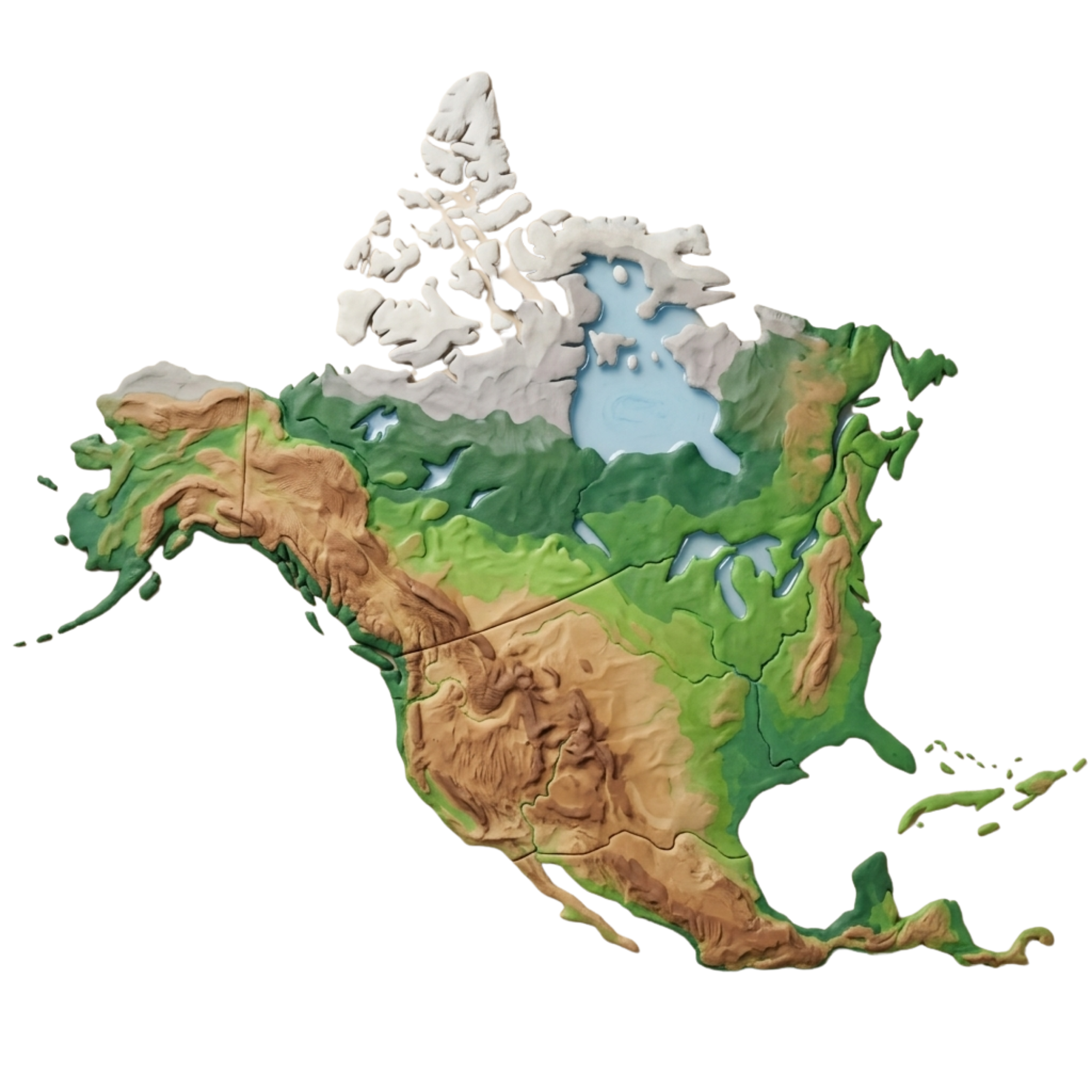
North America’s sun‑baked deserts are home to the roadrunner — OS’s zippy, zig‑zagging not-exactly-cousin.
Famous for its quick feet, curious eyes, and habit of sprinting everywhere like it’s late for a secret mission, this little speedster darts between cactus shadows with comic‑book confidence.
A clever, dust‑kicking dash of energy who prefers warm rocks, wide skies, and races no one else knew had started.
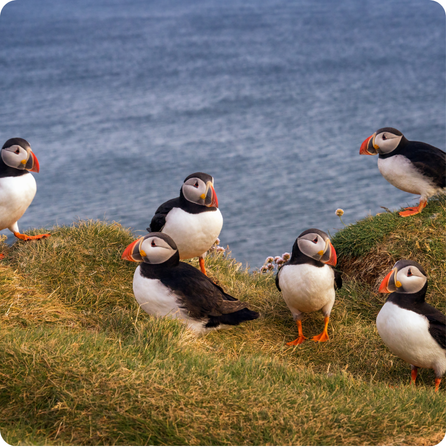
NORTH AMERICA — The Cliff‑Dwelling Cousin
North America’s “penguin” is the puffin — the rainbow‑beaked cliff‑dweller who prefers sky‑dives to ice‑slides.
Real cousins: None. Funny cousin substitute: the puffin
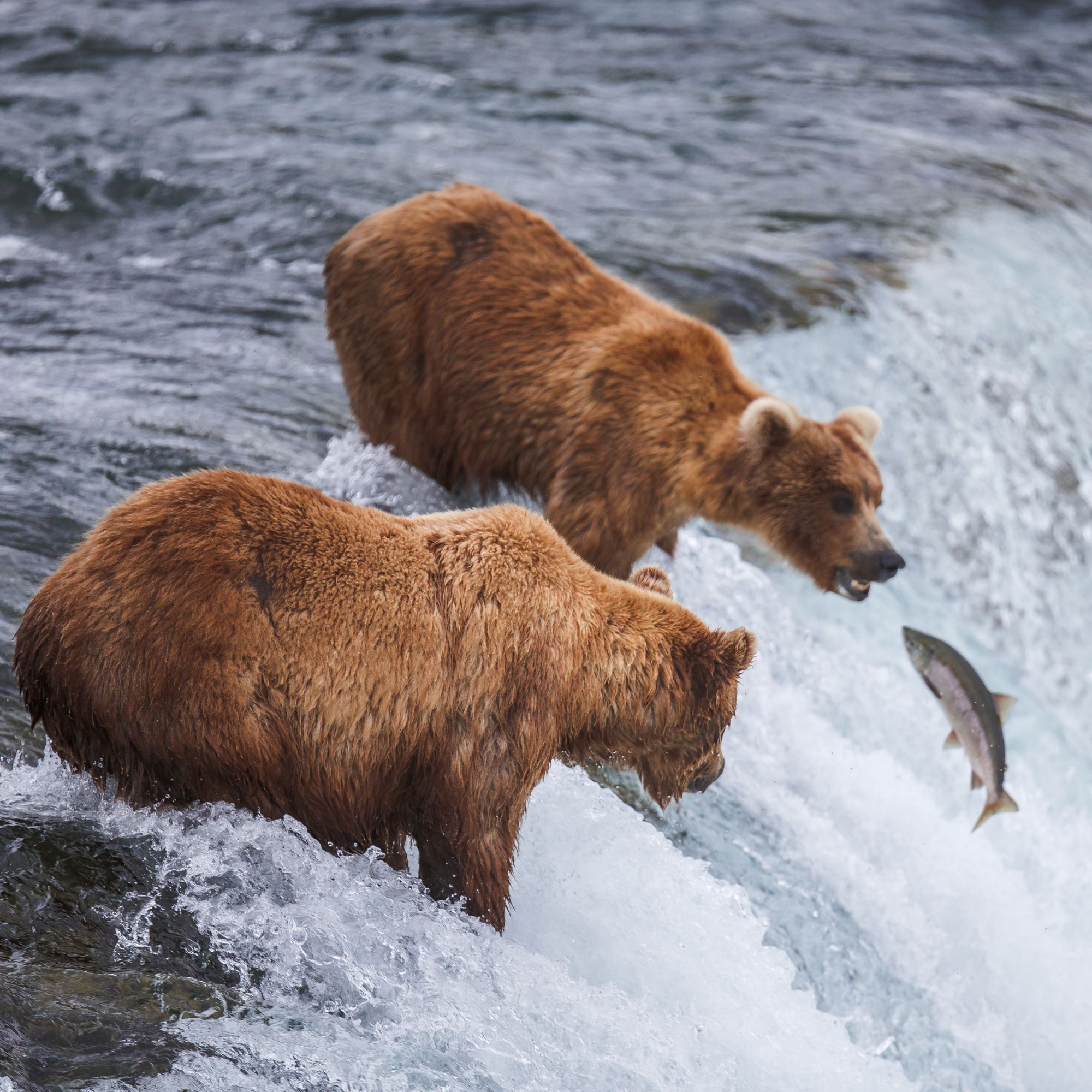
North America is home to BEAR’s biggest, boldest cousins — the black bear and the mighty grizzly.
Black bears are curious climbers with clever paws, while grizzlies are the continent’s most powerful cousins, known for their strength, speed, and serious swagger—in a land of furry force and forest‑filled adventures.
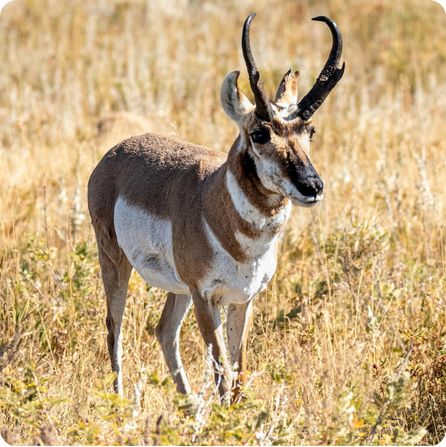
North America’s best “almost cousin” for ROO is the pronghorn—long‑legged, lightning‑fast, and always looking like it’s about to bounce instead of run.
With big eyes, springy strides, and a habit of zipping across open plains like it’s late for a leaping lesson, the pronghorn feels like a wannabe kangaroo who traded hopping for high‑speed zooming.
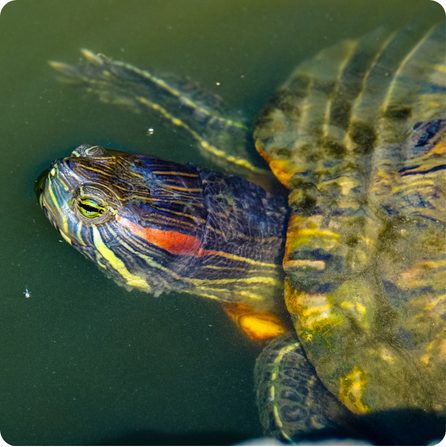
North America’s ponds and marshes are home to the painted turtle — TUT’s colorful, quick‑paddling cousin.
Striped in bright reds and sunny yellows, this little swimmer glides through lily pads like a tiny floating rainbow.
A cheerful, splash‑happy friend who loves warm logs, cool water, and afternoons spent drifting in the quiet.
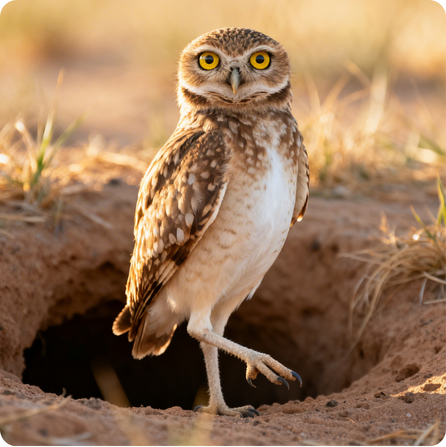
NORTH AMERICA — Burrowing Owl
In the wide western grasslands one of TEACHER’s cousins is a ground‑dwelling goofball —the Burrowing Owl, all bobbing head and bright curiosity, a feathered comedian who prefers cozy tunnels to towering trees.
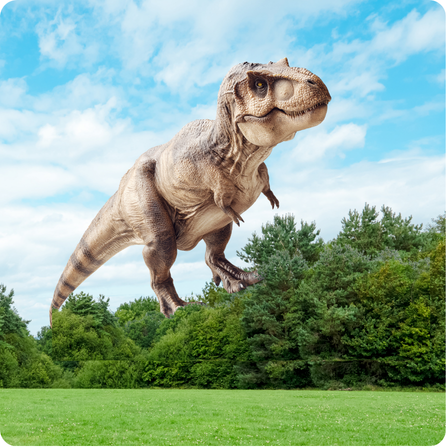
North America — T. rex
The thunder‑footed meat‑eater who stomped through forests like it owned the place, hunting solo and towering higher than the tallest tree it could find.
It’s the cousin who arrived after Pangaea split and still acted like it remembered everyone’s business.
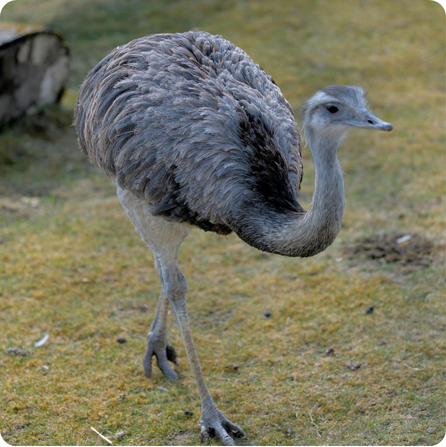
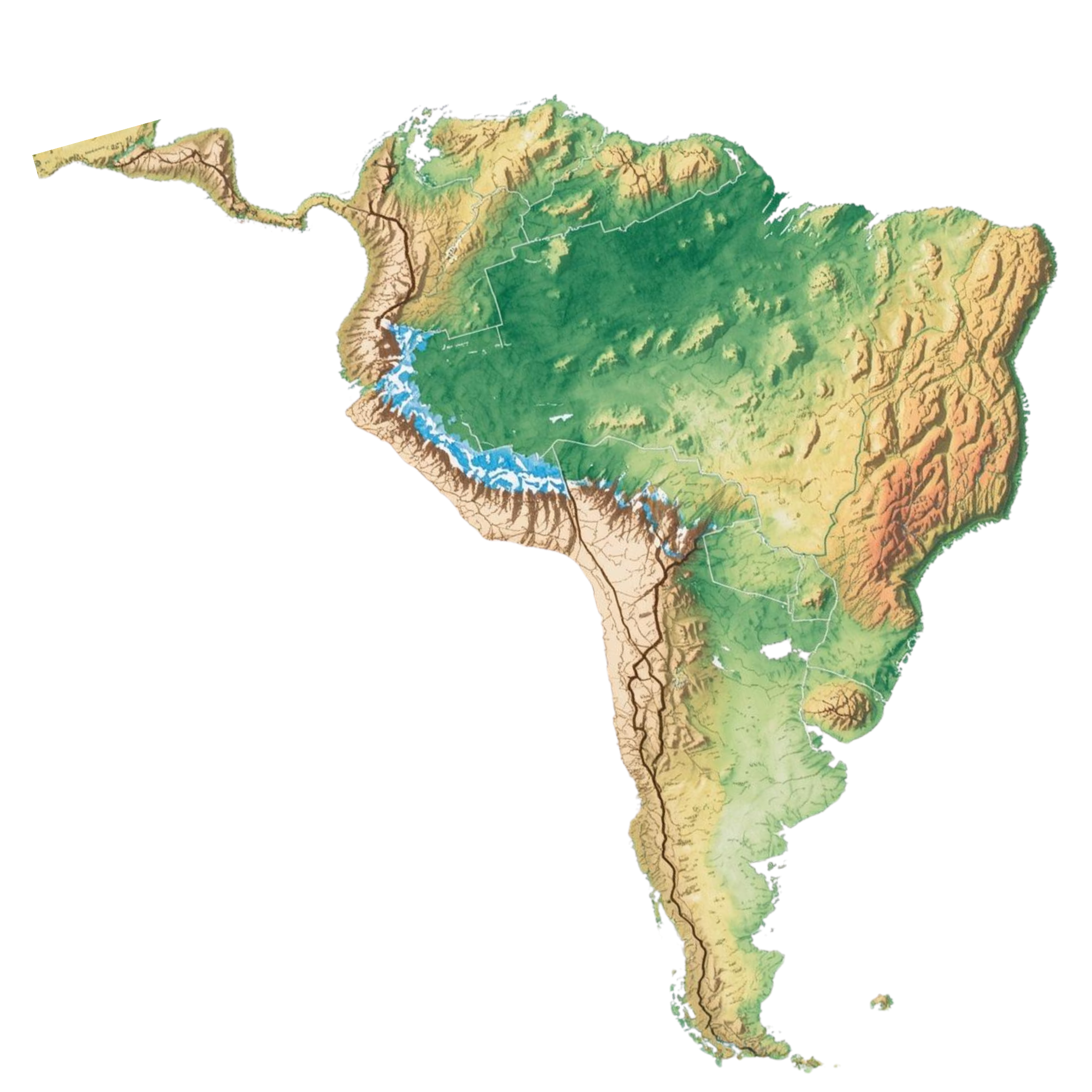
South America’s wide, windy grasslands are home to the rhea — OS’s feather‑fluffed, fun‑sized cousin.
It’s the only ratite on the entire continent, known for its soft gray feathers, speedy legs, and the way it runs like it’s chasing a joke only it understands.
A gentle, ground‑gliding wanderer who loves open plains, breezy afternoons, and long, silly sprints with no finish line at all.
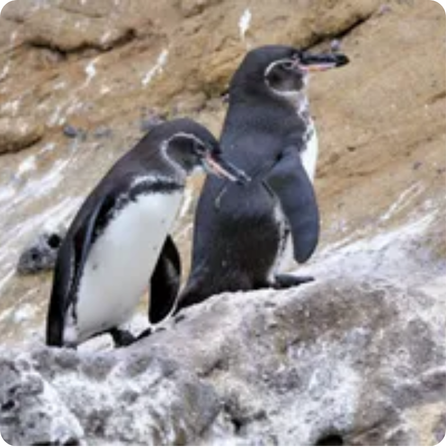
SOUTH AMERICA — The Warm‑Weather Penguins
South America’s penguin cousins traded ice for sunshine — warm‑weather waddlers who prefer rocky beaches, salty breezes, and the occasional volcano view.
Real cousins: Humboldt, Magellanic, and the small Galápagos penguin (the only penguin north of the equator!)
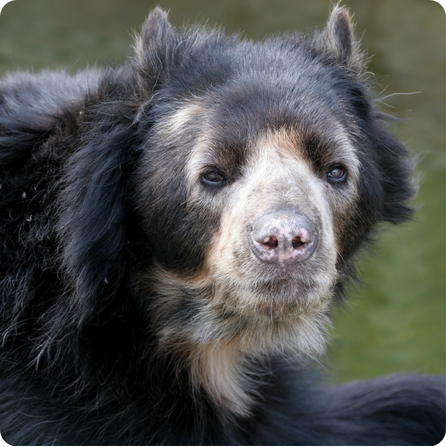
South America Andes Mountains are home to the spectacled bear — BEAR’s mysterious, mask‑marked cousin.
It’s the only bear on the entire continent, famous for the creamy circles around its eyes that look like storybook spectacles.
A shy, tree‑climbing treasure who prefers cloud forests, fruit feasts, and quiet adventures.
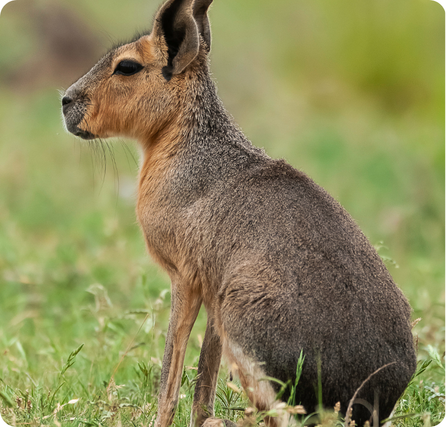
South America’s long‑legged, low‑to‑the‑ground “almost cousin” who looks like a rabbit, runs like a deer, and sits like a kangaroo pretending to be polite.
With its speedy hops, curious nose, and calm, sun‑soaking posture, the Patagonia Mara feels like ROO’s distant, dashing relative —
the one who writes postcards from windy grasslands and signs them, “Hopping in spirit.”
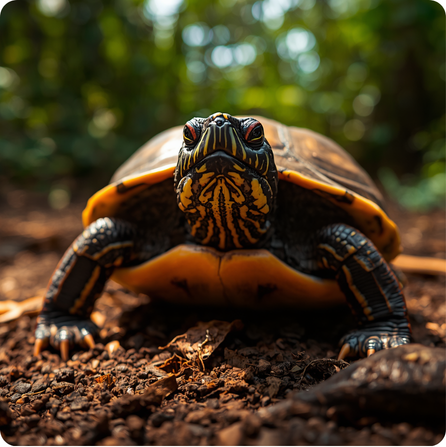
South America’s tropical forests are home to the red‑footed tortoises — TUT’s bright‑toed, fruit‑loving cousin.
With warm orange scales and a curious face, this tortoise wanders the forest floor like it’s on a slow, thoughtful treasure hunt.
A friendly, forest‑floor forager who enjoys juicy snacks, leafy hideaways, and soft rain tapping on its shell.
(Tortoises are water lovers, while turtles prefer dry land. But, still cousins!)
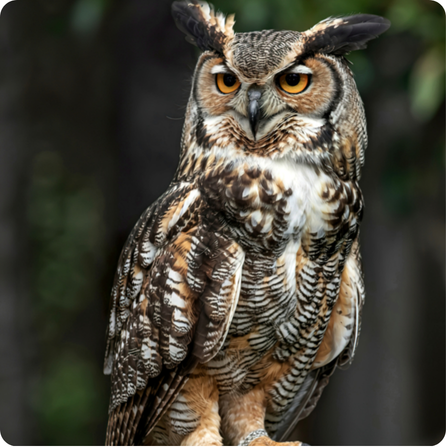
SOUTH AMERICA — crested owl
From South America swoops a crest‑crowned curiosity —the Crested Owl, all spiky plumes and shadowy poise, a night‑time noble with eyebrows so bold they look hand‑painted by moonlight. It perches in the rainforest hush like a feathery exclamation point waiting to surprise the dark.
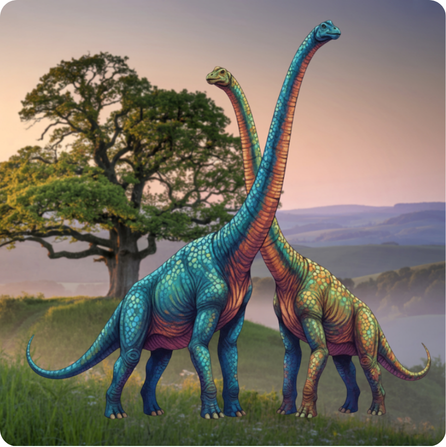
South America — Titanosaurs
The gentle, long‑necked leaf‑vacuum herd who wandered like moving mountains and made entire forests feel short.
They lived long after Pangaea broke apart, but carried themselves like they remembered the old neighborhood.

















Add content here.